

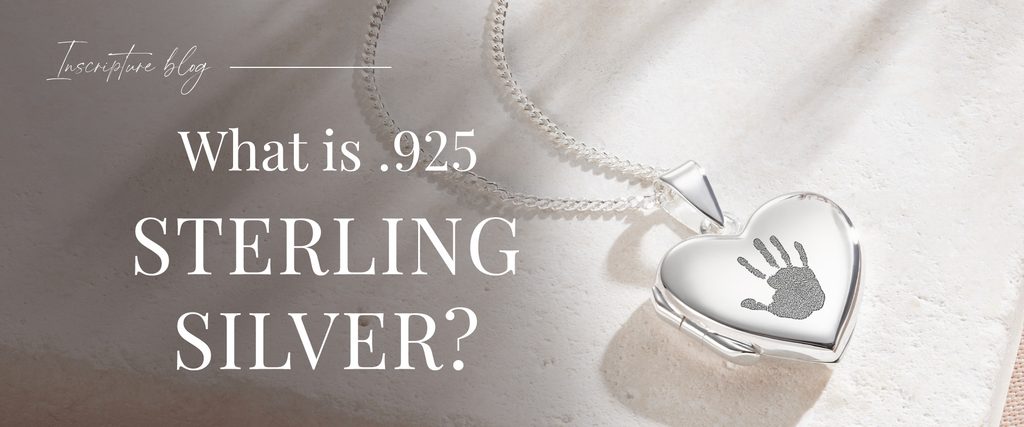
Most of us know what silver is, we know it’s a colour and a common metal that jewellery, and other precious items, come in. But when you’re scrolling a jewellery website and spot .925 sitting in front of the word silver, it’s pretty natural to raise an eyebrow and wonder what on earth that’s about if you’re not a jeweller yourself.
.925 is shorthand for sterling silver, the type most jewellery is made from. The number tells you how pure the silver is which as the number suggests, is 92.5% real silver mixed with a small amount of another metal like copper, to make it stronger. That’s different to fine silver, which is closer to 99.9% pure but too soft for jewellery you’ll wear every day.
There’s a bit more worth knowing too, like whether sterling silver is still real silver and how it compares to other precious metals like gold. If you’re looking into 925 sterling silver jewellery for yourself, or for someone you love, and you want to cover all bases, we’re covering it all below.
A Quick Answer: What Is .925 Sterling Silver?
- 925 sterling silver is 92.5% pure silver, mixed with 7.5% of another metal, usually copper
- That small amount of extra metal makes it stronger and more durable than pure silver
- Genuine pieces are stamped with 925 or .925 to mark them as authentic
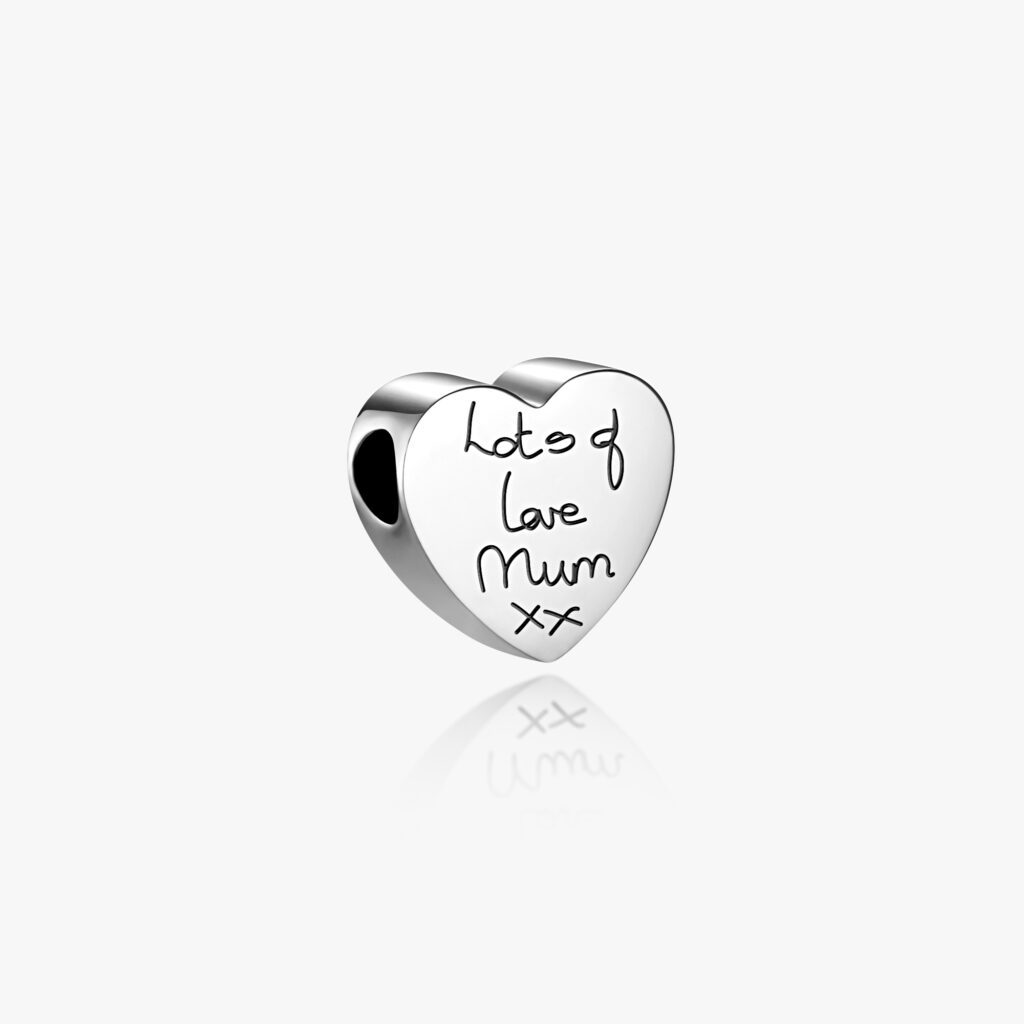
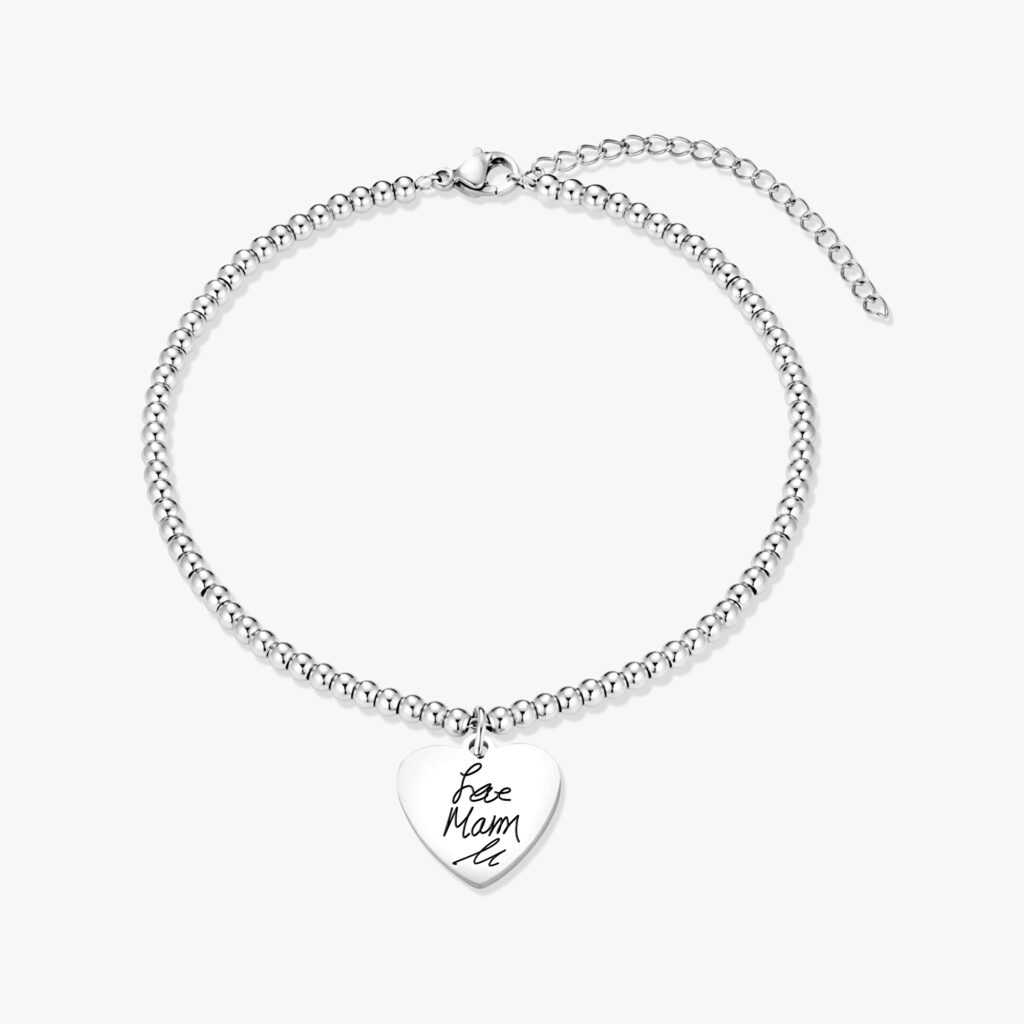
- We use it across our memorial jewellery because it’s strong enough for daily wear, gentle on sensitive skin, and holds fine detail like handwriting and prints beautifully

Sterling Silver vs Fine Silver
Both sterling silver and fine silver are classed as real silver, but the difference lies in how much pure silver can be found with each.
Fine Silver (aka Pure Silver)
Fine silver, sometimes called pure silver, is around 99.9% silver and is as close to pure as silver gets. That purity gives it a lovely warm shine, but the metal itself is far too soft, and it bends, dents and scratches incredibly easy. That’s why it’s rarely used for jewellery, or anything worn or used day to day. You’ll find it more often in silver bars or as a thin layer inside other jewellery, rather than the piece itself.
Sterling Silver
Sterling silver takes that same real silver and mixes in a small amount of another metal like copper until it’s 92.5% silver and 7.5% alloy (that first percentage is where the .925 comes from!). It’s this combination that makes it strong enough for everyday jewellery, since the added metal gives it the durability pure silver doesn’t have on its own. A sterling silver ring or bracelet holds its shape and resists scratching far better than a fine silver piece would, so it’s become the standard most jewellers, including us, work with.
Genuine sterling silver is usually stamped with 925 or .925 somewhere on the piece as a small mark so buyers can confirm exactly how much real silver is inside it. It’s something worth checking for if you want to be sure what you’re buying is the real thing.



Is Sterling Silver the Same as Silver Plated?
No, they’re not the same thing, even though silver plated jewellery can look almost identical to sterling silver at first glance.
Silver plating means a piece is made from a completely different base metal, often brass or copper, and then coated with a very thin layer of real silver using an electric current, a process called electroplating. That thin outer layer is what gives it the shine and colour of silver, but underneath, the piece is really just base metal.
Because there’s so little real silver used, plated jewellery usually costs less to make than sterling silver. But as with anything more affordable, there’s a trade-off, and here it’s durability. Since that silver layer is incredibly thin, these pieces are rarely able to withstand everyday wear, especially if it gets wet often or isn’t cleaned properly. The thin silver coating will rub away over time and expose the base metal underneath and once that happens, the plating can’t be repaired in the same way sterling silver can be cleaned up and polished.
This is one of the main reasons many jewellers choose to work with solid sterling silver instead of plating it. Sterling silver jewellery is solid silver alloy all the way through, so there’s no risk of it wearing through to reveal a different metal underneath, no matter how long you wear it or how well you look after it.
If durability is what matters most to you, it’s also worth seeing how sterling silver stacks up against stainless steel, one of the toughest alternatives out there, in our separate guide.
Is Sterling Silver Real Silver, and Is It Worth Anything?
Yes, sterling silver is real silver. The 92.5% purity mark isn’t a compromise or a cheaper stand-in, and it’s the industry standard for silver that’s meant to be worn, made up almost entirely of the real thing.
That silver content also means it holds genuine value, not just from a beautifully made piece, but from the metal itself. Silver has a live market price, known as the spot price, and that price moves depending on supply, demand and the wider economy. If a sterling silver piece were ever melted down and sold purely for its metal, its value would be tied to that spot price at the time. Our guide on why the cost of silver is rising goes into more detail on what drives that price and what it means for jewellery buyers.
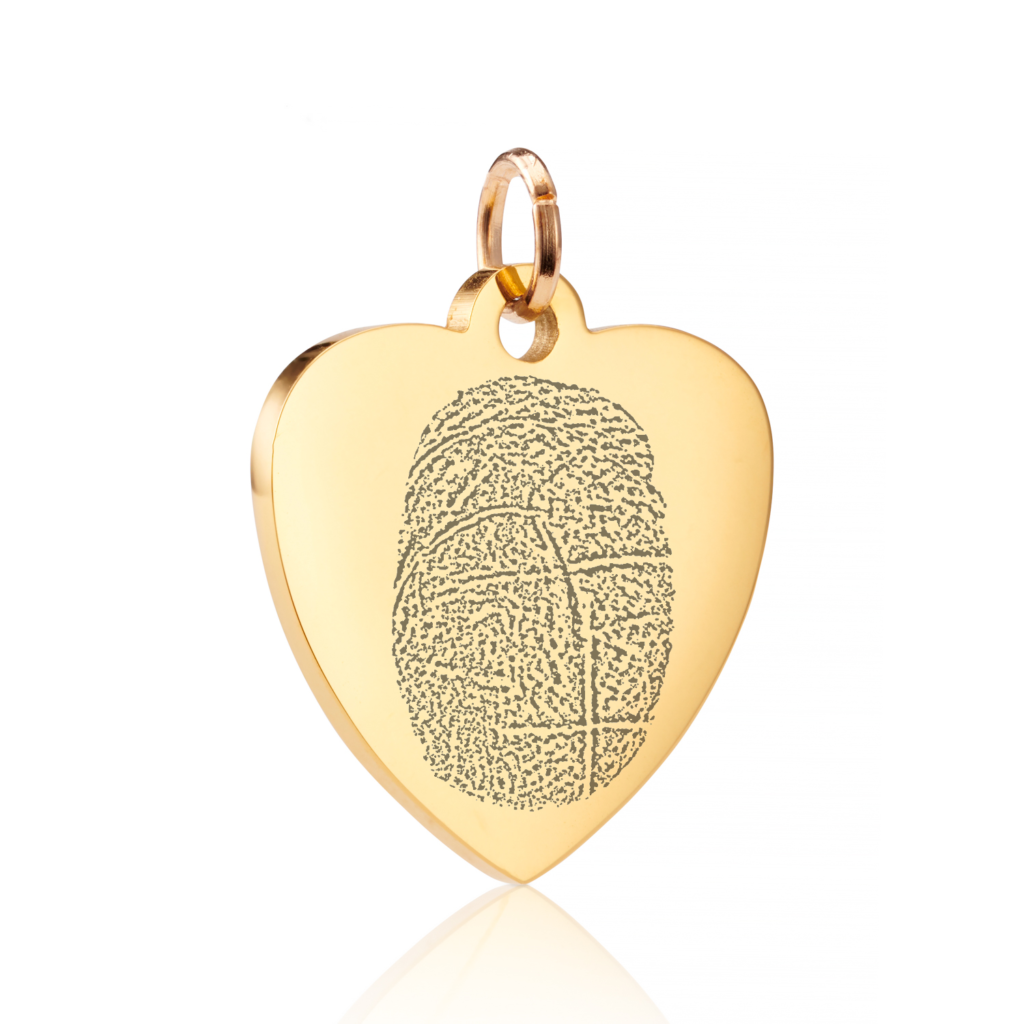
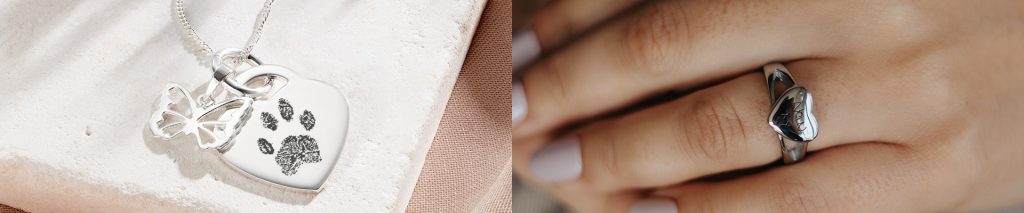
Most people aren’t buying jewellery to melt it down though, they’re buying it to wear and keep, and that’s where the value goes beyond the raw metal. The design and craftsmanship that go into making a piece are worth just as much as the silver itself, often more, especially when something personal like handwriting, photographs or prints are engraved onto it.
Is Sterling Silver Hypoallergenic?
Sterling silver is one of the more skin-friendly metals you can wear, largely thanks to the copper it’s alloyed with since copper rarely triggers a reaction the way some other metals do.
The exception is when nickel is used in the alloy instead. Nickel is a common cause of metal allergies, so if your skin’s sensitive, check exactly what a piece is alloyed with rather than assuming all sterling silver will suit you in the same way.
If you know your skin reacts to metal easily and you’d rather not think about it at all, our 18k PVD gold range is made to be hypoallergenic from the start, so take a look at that alongside silver too.
Silver vs Gold Jewellery
It’s fair to assume, if jewellery isn’t really your thing, that there are only two types of jewellery out there, silver and gold. That’s not quite true, as you’ve probably gathered from reading this far, but they’re still two of the most popular metal choices you’ll come across. Silver suits anyone who prefers a cooler tone, while gold is just as beautiful and comes with its own set of benefits.
Gold jewellery isn’t one single thing either, and the differences between types matter just as much as they do with silver.
Gold vermeil is sterling silver coated with a layer of real gold, giving you that gold look at a lower price point than solid gold. It’s a lovely option, though the gold layer can wear thin over time with daily use, so it suits pieces you take on and off rather than wear constantly. Our guide on what gold vermeil is covers this in more detail.
Solid gold is real gold all the way through, so there’s no plating to wear away, but it comes at a much higher price and, depending on the carat, can be softer than you’d expect for everyday wear.
18k PVD gold sits in between the two. A thick layer of real 18k gold is bonded to a durable base using vacuum technology, so it’s waterproof, tarnish resistant and hypoallergenic, without the price tag of solid gold. Our full comparison of 18k PVD gold, vermeil and gold-plated brass breaks down exactly how they differ if you’d like to learn more.
Caring for Your Sterling Silver Jewellery
Like any precious metal, sterling silver still needs a little care every now and then to stay looking its best. It’s completely normal for it to tarnish a bit over time, that’s just how silver reacts to air and moisture, but a few small habits added to your routine can keep it looking bright for years to come.
- Store it away from air and moisture when you’re not wearing it like within a fabric pouch or lined box, rather than just out on your bedside table
- Getting it wet won’t ruin it, but the more often it’s exposed to water the faster it can tarnish, so dry it properly afterwards
- Take it off before swimming, showering or applying perfume and hairspray, since chemicals and moisture speed up tarnishing
- Clean it with a proper silver jewellery cloth every so often to keep it shining bright
For more detail, our guide to cleaning your sterling silver jewellery walks through the full process.
What’s the Best Metal For Memorial Jewellery?
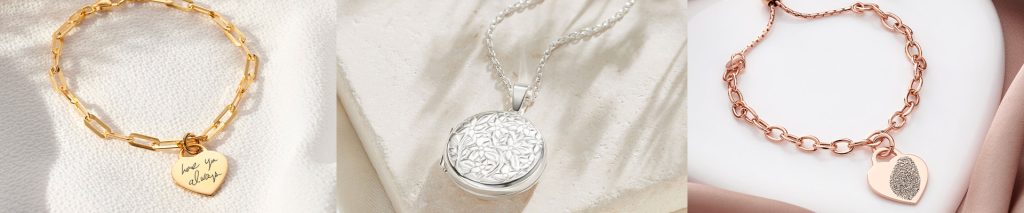
As memorial jewellery specialists, using the right materials matters more to us than it might for jewellery you’d only wear once or twice a year. Every piece we make is meant to be worn every day for years, holding something that can’t be replaced, whether that’s someone’s handwriting, a print or their ashes. At the same time, we want memorial jewellery to be something everyone can access, not just those who can afford solid gold.
The metals we use most are sterling silver and 18k PVD gold and they’re chosen for exactly that reason. Both are strong enough for something worn daily, gentle on sensitive skin, and capable of holding fine detail like handwriting or a print clearly, which matters when the engraving itself is the whole point of the piece. Solid gold and fine silver can look beautiful too, but their softness and price make them harder to justify for something you’ll want to wear every single day for years.
Conclusion: What is .925 Sterling Silver?
925 sterling silver is real silver, made up of 92.5% pure silver and 7.5% another metal. That small amount of extra alloy is what gives it the strength pure silver doesn’t have on its own, so it can hold up to being worn every day and stay kind to sensitive skin. It also takes fine engraving beautifully which is the exact reason we use it across so much of our memorial jewellery.
If sterling silver sounds like it’ll work well for you, whether that’s for yourself or someone you’re buying for, feel free to explore our memorial jewellery collections to see the kind of thing we make with this precious metal.
Look for a 925 or .925 stamp somewhere on the piece, usually on the clasp, inside a band or on the back of a pendant. That mark confirms it’s genuine sterling silver rather than silver plated or a different metal entirely. If there’s no stamp at all, or the metal looks or feels unusually light, ask the seller directly what the piece is made from.
Yes, getting sterling silver wet won’t damage it or ruin the metal. That said, frequent exposure to water speeds up tarnishing, so it’s best to take it off before swimming, showering or doing the washing up where possible. If it does get wet, drying it properly afterwards with a soft cloth helps keep tarnish at bay for longer.
Genuine sterling silver rarely turns skin green, since it only contains a small amount of copper alongside the silver. When it does happen, it’s usually down to the copper reacting with sweat, skin pH or products like lotion and perfume rather than a fault with the jewellery itself. It’s far more common with cheaper plated or costume jewellery, which contains a much higher percentage of copper or brass.
Yes, sterling silver is one of the best choices for everyday wear. The copper alloy makes it strong enough to handle daily knocks and general wear without bending or scratching as easily as pure silver would. With a little occasional care, like keeping it dry when possible and giving it a clean now and then, it’ll hold up well for years.
Yes, sterling silver can tarnish over time, since the copper in the alloy reacts with air and moisture rather than the silver itself wearing away. You can slow it down by storing pieces in a fabric pouch or lined box, keeping them away from water where possible, and giving them a clean with a proper silver cloth every so often to keep them looking their best.