Losing someone you love changes the way you think about a lot of things. At Inscripture, we speak to people every day who are navigating grief and looking for ways to keep a loved one’s memory close. In many cases, they’ve also been responsible for arranging a funeral, a task that comes with more decisions and responsibility than most people expect until they find themselves facing it.
And one of the hardest parts of it all can be the uncertainty. Naturally, families want to make the right choices and create a farewell that feels right for the person they love, but that can be difficult when you’re not entirely sure what they would have wanted. Should they be buried or cremated? Did they have a favourite song they would have liked played? Would they have preferred flowers or family donations? When you’re trying to honour someone you care about, questions like this feel incredibly important and not always easy to find the answers to.
It’s often through experiences like these that people start thinking about their own wishes. Not because they expect anything to happen anytime soon, and certainly not because they want to dwell on difficult subjects, but because they understand first-hand how much reassurance clear guidance can bring. And writing down your funeral wishes is one of the ways you can help the people you love feel more confident about the decisions they may one day need to make, safe in the knowledge that they’re carrying out the wishes that mattered to you.

What Are Funeral Wishes?
Funeral wishes are the instructions and preferences you would like your loved ones to know about your funeral. They can include decisions like whether you would prefer a burial or cremation, as well as details like music, readings, flowers, charitable donations, who you would like involved in the service and any personal touches that reflect your life. You don’t need to include all these details in a funeral wishes document if you don’t want to, but anything you’re sure of can be included to help your loved ones when the time comes.

Why Are Funeral Wishes Important?
Most people don’t leave funeral wishes because they’re worried about their funeral itself but more because they’ve experienced what it’s like to be the person left making the decisions and they don’t want that for their loved ones. When someone you love dies, you’re already dealing with grief, practical arrangements and conversations you never expected to have and adding uncertainty into the mix can make an already difficult situation feel even more overwhelming.
Knowing what someone wanted can remove a lot of those questions and can prevent family members from second-guessing themselves and provide the necessary reassurance that the choices being made are the ones their loved one would have wanted. We’re by no means saying funeral wishes make loss any easier, but they can make decision-making clearer at a time when clarity is often in short supply.

What Happens If Funeral Wishes Aren’t Written Down?
The reality is that families manage every day without funeral wishes being written down and in many cases, they come together, make the best decisions they can and create a beautiful farewell for the person they’ve lost. But some difficulty can come when nobody is entirely sure what that person would have wanted and there may be differing views and consequently friction because of the uncertainty. In a situation like this, no one is trying to get it wrong but doing their best to get it right.
And completing a funeral wishes document isn’t just for your loved ones, but you too. If you have particular preferences about your own farewell, you deserve the opportunity to communicate them clearly to the people who may one day be responsible for carrying them out. If you don’t have strong preferences, including that within a funeral wishes document can be just as reassuring too. Just knowing they have your blessing to make those choices themselves can bring every bit as much comfort as having detailed instructions.

What Should Be Included in a Funeral Wishes Document?
A funeral wishes document can be as detailed or as simple as you’d like it to be. Some people have a very clear idea of what they want while others only have a few preferences they feel strongly about. The aim is to leave behind any information you feel could help your loved ones when the time comes.
Funeral Preferences
This is where you can record any general wishes you have about your funeral. You may have thoughts on the type of service you’d like, whether you’d prefer something traditional or more informal, where you’d like it to take place or who you would like involved.
Burial or Cremation Wishes
One of the biggest decisions families often face is whether a loved one would have preferred burial or cremation. Families may also wish to understand more about direct cremation when considering funeral arrangements. If you have a preference, writing it down removes any uncertainty and allows your wishes to be respected. You may also wish to include details about where you would like to be laid to rest or whether you have any specific requests regarding your ashes. It’s why many also choose to record their thoughts about what happens to ashes after cremation and how they would like them to be cared for.
Music and Readings
Music and readings can be a big part of the atmosphere of a funeral so if you have any particular songs, poems, passages or readings that hold special meaning to you then it’s worth letting your loved ones know.
Flowers or Charity Donations
Many people choose either floral tributes or charitable donations as part of a funeral. If you have a preference, recording it in your funeral wishes document can provide clear guidance for your loved ones and help ensure any causes or organisations that were important to you are recognised.
Personal Requests
This section is an opportunity to include anything that matters to you personally. It could be something small, such as a colour you would like people to wear, a favourite photograph you would like displayed or a message you would like shared.
Memorial Jewellery and Keepsakes
Some people also choose to record their thoughts around memorial keepsakes. You may feel strongly about certain items being created, such as ashes jewellery or handwriting jewellery, or you may just want your loved ones to know that you would be happy for them to explore those options if it brings them comfort.
Recommended products
-

Aurelia Ashes Ring
£230.00 -

Actual Handwriting Keyring
£49.00 -
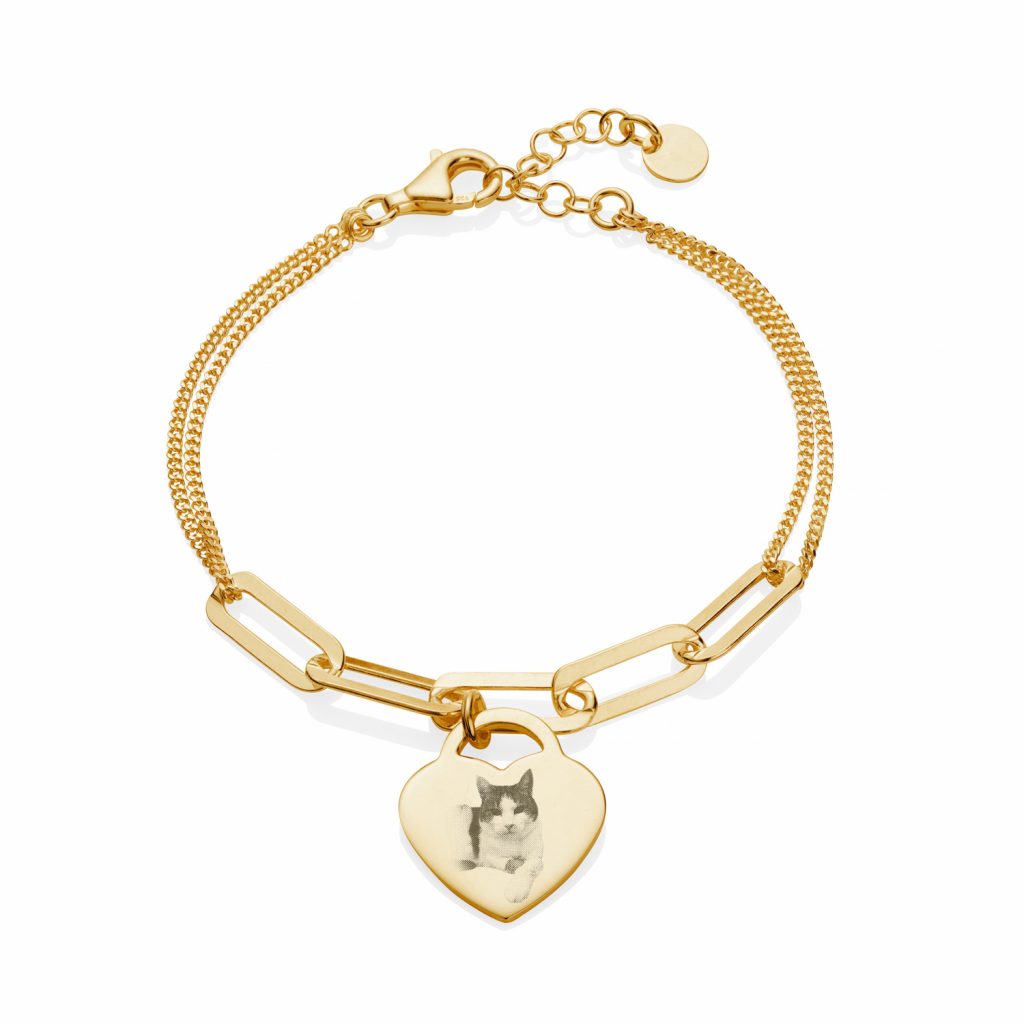
Gold Link Photo Bracelet
£105.00


Download Our Free Funeral Wishes Document
If reading this has made you realise that writing down your funeral wishes is something you’d like to do, we’ve created a free Funeral Wishes Document to help you get started. It’s printable and gives you somewhere to record the details that matter most to you, whether that’s specific instructions or simply a few thoughts you’d like your loved ones to know.
There’s no need to fill it all in at once; you can complete it at your own pace and revisit it whenever you like. It’s possible your wishes may change over time too, but it’s always there to tweak and edit when you feel the need. And most importantly, it gives the people closest to you something they can refer back to in the future to help them understand your wishes and feel more confident about the decisions they may one day need to make.

Common Questions About Funeral Wishes
Typically funeral wishes are not legally binding in the UK. However, they can still be incredibly valuable because a written record of your wishes provides guidance for your loved ones and can help them make decisions with greater confidence. Most families will do everything they can to honour any preferences their loved one has left behind.
Yes, funeral wishes can be updated whenever you like. Your preferences may change over time and that’s perfectly normal so if you do ever change your mind about anything you’ve included in your document previously, you can always review and edit when you want. These are your wishes after all.
It’s a good idea to share a copy with the people most likely to be involved in arranging your funeral. This may include a partner, adult children, close family members or the executor of your estate. The most important thing is making sure someone knows the document exists and can access it when it’s needed.
A funeral wishes document can include anything you feel is important. Many people use it to record preferences around burial or cremation, music, readings, flowers, charitable donations and personal requests. It can also include notes about memorial keepsakes, family traditions or anything else you would like your loved ones to know when making arrangements.
Writing down your funeral wishes is something you can do whenever it feels right for you. Some people start thinking about it after losing someone close to them while others may just want to get a few things organised and written down. Once your wishes are recorded, you can always come back and change them if your thoughts or circumstances change over time.
Absolutely. If you have thoughts about memorial jewellery or memorial keepsakes, or what should happen to your ashes, your funeral wishes document is a good place to record them. Even if your preference is simply that your loved ones do whatever brings them comfort, writing that down can provide reassurance to them.