

When someone is grieving, they are often told that the way through it is to let go, to let go of the pain, the guilt and the life they thought they were going to have with that person still in it. Most of the time, advice like that comes from a good place, and you may have even said something similar in the past to someone you care about because you wanted them to hurt a little less too.
But when you are the person grieving, the idea of letting go can feel almost impossible. The person you’re missing is still a part of who you are, and packing away every reminder of them doesn’t always feel right. If you feel like this, it’s completely okay and very natural. In fact, one modern grief theory, known as continuing bonds theory, may help explain why staying connected can feel so important.
Continuing bonds grief theory suggests that rather than leaving a person behind in order to heal, you can recognise that your connection with them may still have a place in your life. It doesn’t pretend that staying connected takes the pain away, and it doesn’t make grief simple, but it does offer a different way of looking at loss.
Continuing Bonds Theory At A Glance
- Continuing bonds grief theory is about staying connected to someone after they have died, rather than feeling you have to leave them behind.
- It questions the older idea that grief is only healthy when you let go completely.
- A continuing bond might be found in the way you talk about them, the places you return to, the photographs you keep close or the keepsakes you carry.
- Wanting to feel close to someone you have lost does not mean you are grieving in the wrong way.
- Your relationship with them will change after they die, but that does not mean your love for them has to disappear.
- Memorial jewellery and keepsakes can be one way to carry that connection with you in everyday life.
What Is Continuing Bonds Grief Theory?
Continuing bonds grief theory is the idea that grief does not always mean cutting ties with the person who has died. Instead of seeing bereavement as something that asks you to let go completely, it recognises that your relationship with that person can carry on in a different way.
That does not mean pretending they are still here in the same way, and it does not mean refusing to accept that life has changed. But it means that love, memory and connection do not end the moment someone dies and while the bond you had with them may look different now, it can still have a place in your life.
For someone living with grief and loss, this approach to healing can feel incredibly reassuring as it takes away the pressure to move on in the traditional way people expect. It gives you permission to talk about your loved one often, keep their photograph close, wear memorial jewellery that reminds you of them and find comfort in holding parts of them close. Under continuing bonds theory, those things are not signs that you are doing grief wrong but a part of the way you continue your relationship with the person you miss.
A Simple Definition of Continuing Bonds
A simple way to explain continuing bonds is this: it is the ongoing connection a person may keep with someone who has died. That connection might be through memories, conversations, keepsakes, photographs, handwriting, memorial jewellery or the way you continue to include them in your life. It is not about holding yourself back but about understanding that love can still exist after loss.
How Continuing Bonds Changes the Way We Talk About Grief
Continuing bonds changes the way we talk about grief because it moves away from the idea that a person has to “let go” before they can cope. It gives people permission to stay close to the person they love in a way that feels right for them, rather than feeling they have to pack everything away or treat their grief as something to get over.
Where Did Continuing Bonds Grief Theory Come From?
Continuing bonds grief theory became widely recognised after the publication of the 1996 book Continuing Bonds: New Understandings of Grief, edited by Dennis Klass, Phyllis R. Silverman and Steven L. Nickman. Their work challenged one of the older ways grief had often been understood, where bereavement was seen as something a person moved through by slowly separating themselves from the person who had died.
Before this, a lot of grief advice was built around the idea of detachment, where people were often encouraged to loosen their attachment to the person they had lost so they could put their energy back into life and new relationships. That may have sounded sensible on paper, but it did not reflect how grief felt for a lot of bereaved people in real life.
Instead, Klass, Silverman and Nickman recognised that people often keep a relationship with someone after they have died, not because they are unable to accept the loss, but because the person still matters to them. That relationship may change, but it does not always disappear entirely. It could appear as someone still speaking to their loved one, holding a part of them close like a photo or piece of handwriting, or commemorating occasions like birthdays and anniversaries.
What Are Examples of Continuing Bonds After Loss?
How people choose to continue bonds after loss is completely unique to them. Since every lost loved one is different, and every griever is different, the way they choose to carry them forward will also be different. A lot of the time, examples of continuing bonds are small acts that feel powerful like keeping their name in conversation or holding onto something that reminds them of them. Here are just some examples:
Keeping Their Handwriting, Photos or Belongings Close
A lot of people find comfort in keeping hold of things that belonged to the person they love. It could be something they wore, something they used every day, a photograph you keep nearby or a card with their handwriting inside. These things can feel hard to part with because they are real pieces of that person and their life.
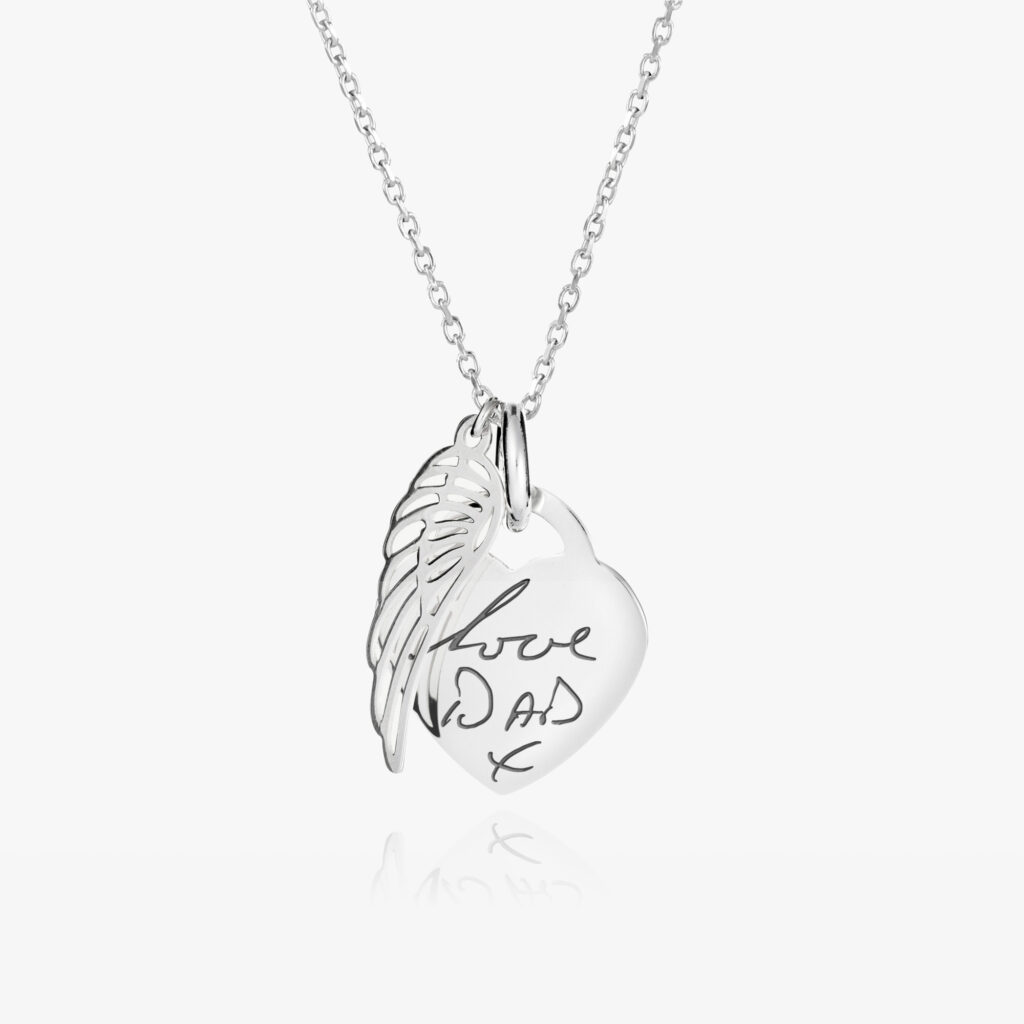
Handwriting can be especially powerful because it feels so unmistakably theirs. Often, our loved one’s handwriting is immediately recognisable, with the way they shaped certain letters or added little flourishes being only from them. Photographs matter for a similar reason, permanently capturing their expression or a moment you want to be reminded of.
Recommended products
-

Rose Gold Handwriting Charm
£45.00 -
Angel Wing Handwriting Necklace
£119.00 -

Disc Duo Photo Bracelet
£135.00 -
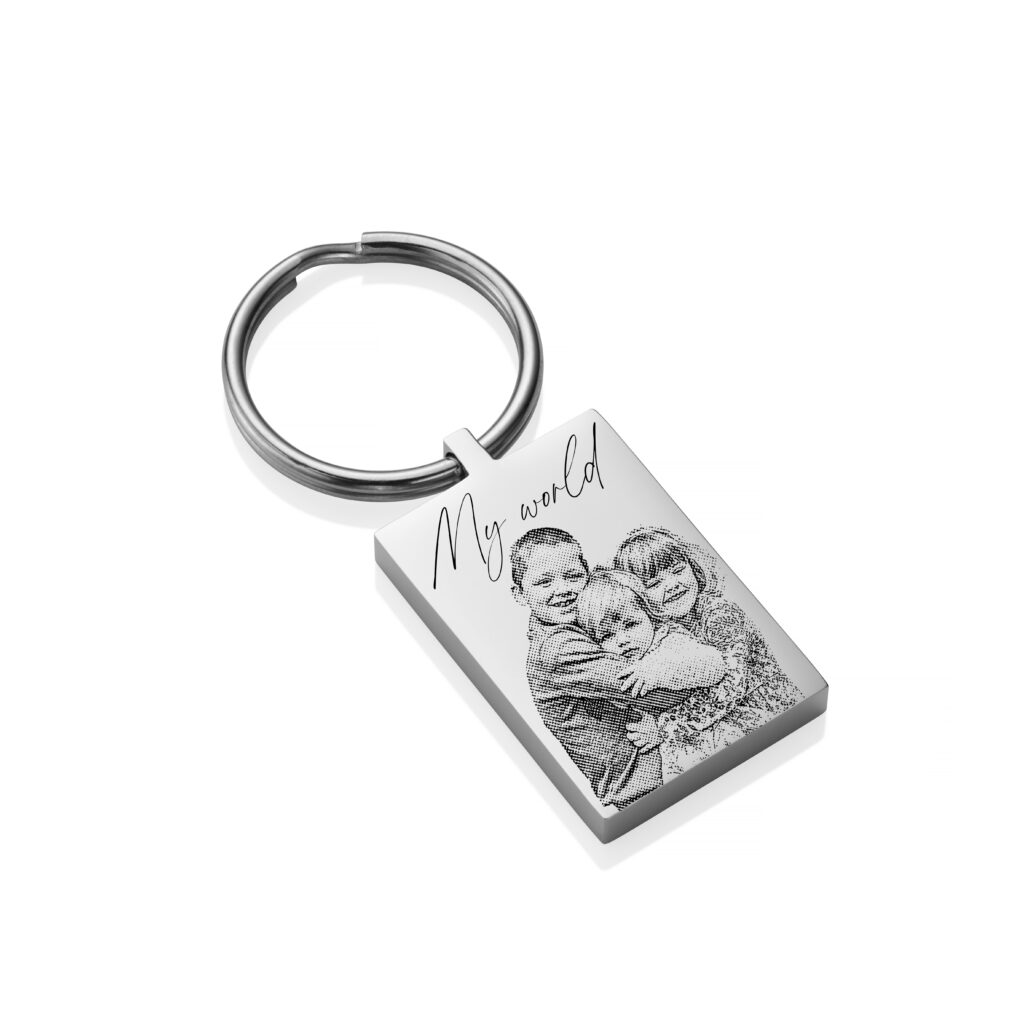
Photo Keyring
£49.00
Talking About Them and Saying Their Name
After someone dies, people can become nervous about saying their name because they worry it will upset those who are grieving. But when you are the one missing them, it can hurt far more when everyone avoids mentioning them altogether.
Talking about the person you love can be part of keeping your bond with them alive. You can tell stories about them, laugh with people about your favourite memories and mention what they would have thought about something happening now. Something as simple as this can remind you, and the people around you, that they are still loved and still worth talking about.
Visiting Places That Still Feel Important
After someone dies, you may find yourself wanting to go back to places you shared with them. It could be somewhere you went all the time, somewhere they loved or somewhere that reminds you of a version of life you still miss. To anyone else, it may look like an ordinary place, but to you it means a lot more than that.
Revising places can also help you remember memories in more detail, like what was said and how they looked in a particular moment. An act like this does not mean you are trying to go backwards but instead it reminds you that some places still matter because they were part of your life with someone you love.
Wearing Memorial Jewellery or Keepsakes
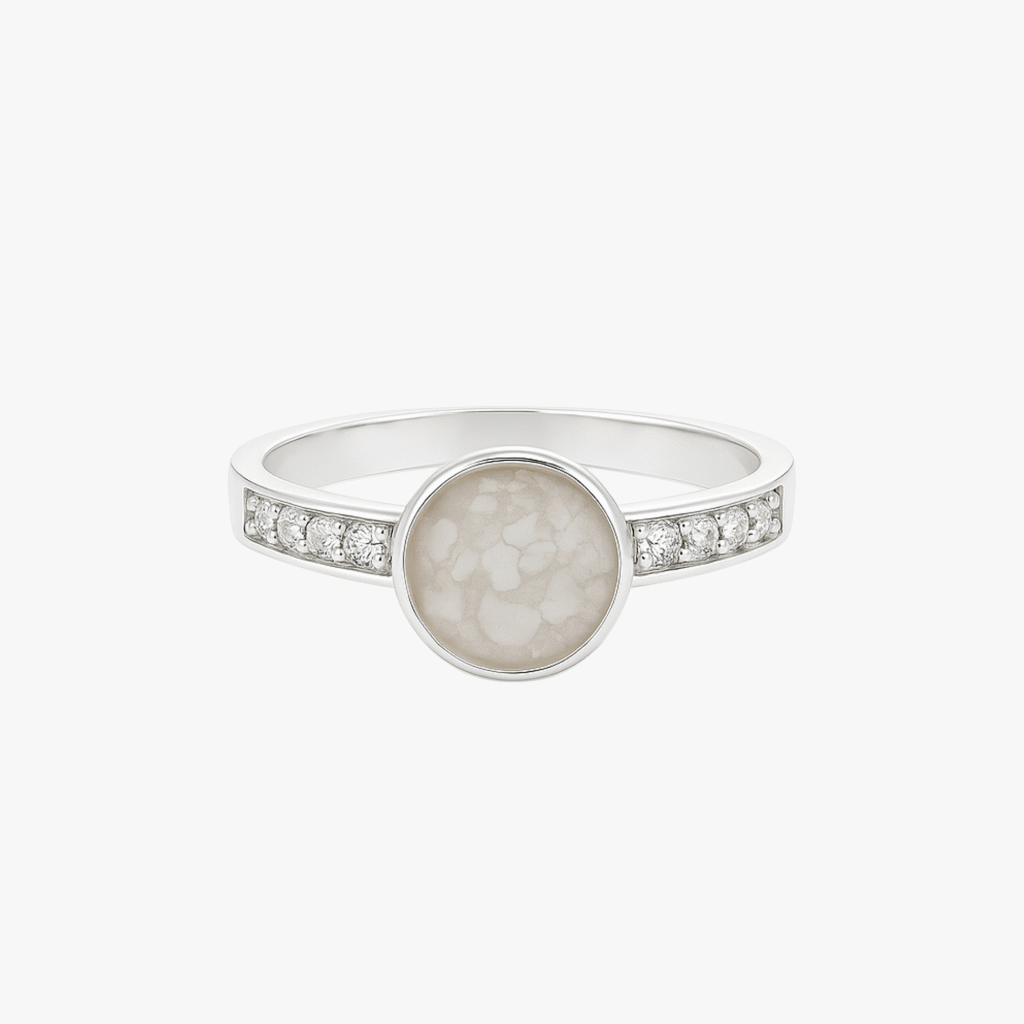
Some people want something they can keep close to them, especially on the days when their grief feels particularly heavy or hard. It’s why many people grieving choose memorial jewellery and keepsakes as a way of continuing their bond. It can include things like handwriting jewellery made from words they wrote themselves, fingerprint jewellery made from their print, photo jewellery with an image or ashes jewellery designed to hold a small amount of their ashes close to you.
None of these things take grief away, and they are not meant to. But they can give you something real to hold onto when you need it. It’s part of how memorial jewellery can help with grief, by offering something physical to hold, wear or turn to when you want to feel close. A piece of memorial jewellery can sit against your skin, stay with you through normal days and harder ones, and remind you that the person you love still has a place in your life, even though they are no longer here in the way you wish they were.
Recommended products
-

Silver Heart Paw Print Charm
£69.00 -
Celeste Ashes Ring
£230.00 -

Actual Handwriting Keyring
£49.00 -
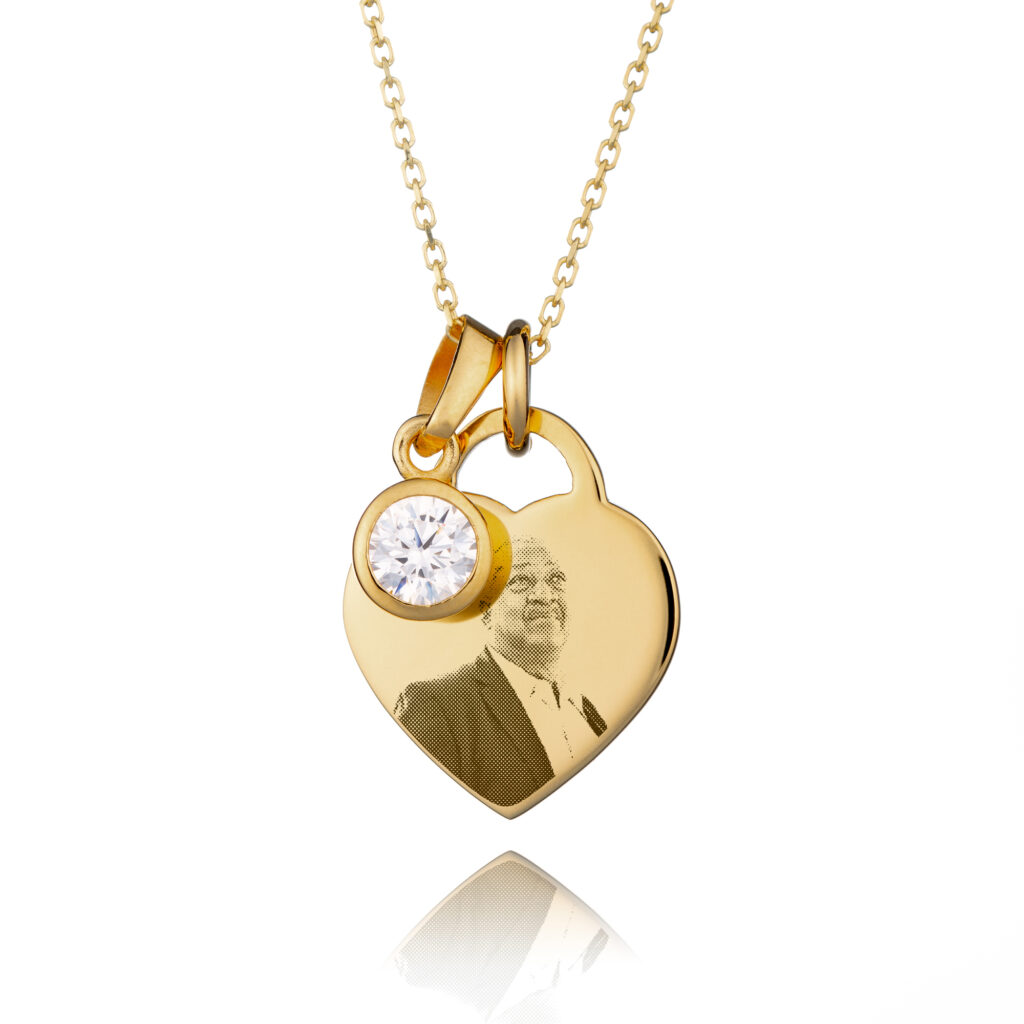
Gold Birthstone Photo Necklace
£100.00
Can Continuing Bonds Help With Grief?
Continuing bonds can help with grief because it gives people permission to stop fighting the need to stay close. When you are already missing someone, it can feel even harder if you are also worrying that talking about them or keeping their belongings close means you are somehow stuck. Continuing bonds theory makes room for the idea that your person can still matter in your life, even after they have died.
But of course, grief is never the same from one person to the next, so continuing bonds will not feel right for everyone in the same way. There may be times when certain reminders feel comforting, and other times when they feel too much. This can shift as you move through the different stages of grief, with your need for closeness changing over time. There may also be people who need a little more distance before they can find comfort in staying connected. Ultimately, a healthy continuing bond should feel supportive and not something that keeps you trapped in the hardest parts of your loss.
How Can You Continue a Bond With Someone You Love?
Continuing a bond with someone after they have died does not have to look a certain way. It’s simply about finding something that works for you. Here are just some of the ways you can carry your loved one forward with a continuing bond.
Write to Them
Writing to someone after they have died gives you somewhere to put the words you may still want to say. You might write when you miss them or when something happens that you wish you could tell them about. The letter does not have to be shown to anyone else, and you can choose to keep it or throw it away after it’s done. Sometimes just getting your feelings out on paper is enough.
Create a Memory Box
A memory box can give you one place to keep the things you are not ready to part with. This could include cards, photographs, jewellery, clothing, tickets, notes or little belongings that remind you of them.
Wear Something That Reminds You of Them
Wearing something connected to the person you have lost can be a way of keeping them close during the day. This could be a piece of their clothing, an item they gave you or memorial jewellery made with a detail that belonged to them. For many people, having something they can touch or hold when they are thinking of that person can feel incredibly reassuring.
Mark Birthdays, Anniversaries or Special Dates
For many people grieving, there are certain dates in the calendar that feel very different. Dates like birthdays, anniversaries and holidays can become difficult, but if it feels right for you, it can be nice to mark them in a new way as part of your continuing bond.
Share Stories With Family and Friends
Talking about someone you have lost can help keep their place within the family and among the people who loved them. You can say their name, tell stories about them and remember the things that made them who they were, even when those memories make you laugh and cry at the same time.
Create Memorial Keepsakes
Memorial keepsakes can turn something personal into something you can keep close. You might turn a piece of their handwriting into a necklace or their photo into a keyring. These special pieces can help you preserve something real from them in a way you can see and hold onto when you need to feel close.
Conclusion: Staying Connected Is Not the Same as Staying Still
Continuing bonds grief theory gives a name to something a lot of grieving people already feel but may not always know how to explain. Losing someone does not mean your relationship with them has to be packed away or left in the past. Instead, it just changes shape and becomes a quieter, personal part of your day-to-day life in a way that works for you.
But equally, continuing bonds will not feel right for everyone, or it may not feel right all the time. There may be days when keeping reminders close brings comfort, and other days when those same reminders feel too hard. What matters most is finding what feels right for you, without pressure to grieve in a way that makes more sense to other people.
Frequently Asked Questions
Continuing bonds grief theory is the idea that grieving does not always mean letting go of the person who has died. Instead, it recognises that your connection with them can continue in a different way. This might happen through memories, photographs, keepsakes, talking about them or finding small ways to keep them part of your life.
Continuing bonds grief theory is most closely linked to Dennis Klass, Phyllis Silverman and Steven Nickman, who edited the 1996 book Continuing Bonds: New Understandings of Grief. Their work challenged older ideas about bereavement and suggested that staying connected to someone after they have died can be a normal and healthy part of grief.
Yes, it can be completely normal to talk to someone after they have died. A lot of people speak to the person they miss, either out loud or in their own mind, because it helps them feel close to them.
Examples of continuing bonds can include keeping photographs nearby, holding onto handwriting, wearing memorial jewellery, visiting places that remind you of them, writing letters, marking birthdays or anniversaries and talking about them with family or friends. These things can help keep your connection with the person you love present in your life.
Yes, memorial jewellery can be part of a continuing bond if it helps you feel close to someone you have lost. Ashes jewellery, handwriting jewellery, fingerprint jewellery and photo jewellery can all preserve something personal from that person. It will not take grief away, but it can give you something real to wear or hold when you need it.
No, continuing bonds grief theory does not mean you are not moving on. A better way to look at it may be moving forward while still carrying the person you love with you. Your life can continue to change after loss, and your relationship with that person can still have a place within it.