Finding the right words to comfort someone who is grieving can feel impossible, and when words feel inadequate, many of us want to do something to show we care instead. The best gift ideas for someone grieving are personal to them and to the person or pet they’ve lost, and they ask for no reply or thank you, so the days ahead feel a little easier to get through. It’s rarely about finding the perfect gift, and much more about showing them you’re thinking of them.
In this guide, we’ll walk you through gift ideas for every stage of loss, from real offers of help in the first few weeks to keepsakes they can hold and wear for years to come. We’ll also cover when to give a gift and what to avoid, so you can feel confident that whatever you choose will comfort them instead of adding to what they’re already carrying.
A Quick Answer: Gift Ideas for Someone Grieving
- The best gifts feel personal to them and to the person they’ve lost, and they ask for no reply or thank you
- In the first few weeks, practical help like meals, groceries or a cleaning service often means the most, since daily tasks can feel overwhelming to someone grieving
- Personal keepsakes such as memorial jewellery, a photo frame or a trinket box work well later on, once the first few weeks have passed
- Avoid anything that adds decisions or clutter to what they’re already carrying
- If you’re unsure what to give, a handwritten card with a short and kind message can be a nice touch while an offer of to help is often always welcome
How to Choose a Gift for Someone Who Is Grieving
When someone you care about is grieving, you want to do something to help, and it’s just as natural to worry about getting it wrong or choosing something that doesn’t land the way you hoped. Thinking about a few things before you choose can make it much easier to find a gift that feels right for them.
- Think about your relationship with them: The closer you are to them, the more personal your gift can be, so with a close friend or family member you might choose a keepsake that reflects the person they’ve lost while a colleague or neighbour is usually better off receiving a card, a meal or an offer to help with something specific. If you didn’t know the person who died, a thoughtful gesture for the one who is grieving, like food or a kind note, will often mean more than something too personal.
- Choose something that asks nothing of them: Grief can leave very little energy for decisions so it helps to choose a gift that doesn’t need anything from the person grieving. Just sending something that arrives ready to enjoy, with a note saying there’s no need to reply or send thanks, takes that pressure away, and the same goes for avoiding anything with deadlines or lots of choices to make.
- Keep it personal: A gift that reflects the person who has died, or the bond the two of them shared, will always mean more than one that could be sent to anyone, so think about something they loved or a memory you shared. If you’d like more help knowing how to support them, our guide on how to be there for someone going through loss has plenty of ideas, and our guide on what to write in a bereavement card can help with the words to go with your gift.
- Respect the family’s wishes and beliefs. If the family has asked for donations instead of gifts, honouring that is always the kindest choice, and it’s just as important to think about their customs and beliefs, since flowers aren’t welcome in every faith or culture and checking first is best if you’re unsure. If you’re sending food, check for any dietary needs too.
When Is the Right Time to Give a Gift?
When you give a gift can matter just as much as what you choose, and the right gift often changes as the weeks and months go on, so it helps to think about what they need at each stage.
- In the first week or two: Right after a death, everyday life can feel impossible to keep up with, so this is when meals, groceries or a lift somewhere mean the most. If you hear the news and want to send something, a card or a small gesture within a couple of weeks lets them know you’re thinking of them, and it really doesn’t need to be anything big.
- In the weeks and months that follow: Once the funeral is over and the visitors have stopped coming, the quiet can hit incredibly hard, and that’s often when a more personal gift lands best. A keepsake that reflects the person they’ve lost, like memorial jewellery, a framed photo or a memory box, can be a lovely way to show you haven’t forgotten. You can give one months or even years later too, since some families hold memorials or scatter ashes long after a death.
- On birthdays, anniversaries and Christmas: These can be some of the hardest days of the year, and a small gift or message on the day shows you remember them and the person they miss, which often means a great deal. If you’re thinking about Christmas in particular, our guide to Christmas gifts for someone grieving has plenty of ideas for the festive season.
15 Gift Ideas for Someone Grieving
The right gift depends on who they are and what they need most right now, so we’ve grouped our favourite gift ideas for someone grieving by type, from help with everyday life in the first few weeks to keepsakes they can hold for years to come.
Everyday Help for the First Few Weeks
In the first few weeks after a loss, the smallest daily jobs like cooking, shopping and keeping the house going can feel like too much to face, so help with the everyday things is often the most welcome gift of all.
1. Meals, either home-cooked or freezer-friendly
A home-cooked or freezer-friendly meal takes one of the day’s biggest jobs off their plate, and it’s easy to leave on the doorstep with a quick message so they don’t feel they have to invite you in or make conversation. We suggest checking for any dietary needs first and using containers they don’t need to return so everything is as easy as possible for them.
2. Grocery or food delivery
Sending a supermarket delivery or a gift card for a food delivery app means they can restock the cupboards or order dinner without leaving the house, which is especially welcome when there are visitors to feed or children to look after. And simply dropping by with a few staples like milk and bread can be just as appreciated too.
3. Help with cleaning, lifts or childcare
Offering something specific, like booking a cleaner or looking after the children for an afternoon, is much easier to say yes to than a general offer to help, since they don’t have to think of what to ask for. A lift to an appointment or the funeral can mean just as much, and it saves them one more thing to organise.
Comfort and Self-Care Gifts
Once the first few weeks have passed and the visitors have gone quiet, the days can feel long and the house even emptier, so a small comfort gift can be a way of looking after someone when they’re finding it hard to look after themselves.
4. A soft blanket or candle
A soft blanket is something they can wrap themselves in on the sofa on the hardest days, and a candle can bring a little calm to the evenings when the house feels empty. A candle with a scent they’ll love, or one in memory of the person they’ve lost, can make it feel even more personal.
5. A comfort hamper
A hamper filled with things like tea, biscuits and a good hand cream gives them a few small treats to enjoy at their own pace on the days they need them most. You can add a note saying it’s just a little something to look after them, and include whatever you know they enjoy, like a favourite biscuit or an easy reading book they might enjoy.
Personal Memorial Keepsakes
Later on, when the first weeks have passed and the loss has settled in, many people find comfort in having something of the person they’ve lost to hold onto, and a personal keepsake is a way of showing you understand how much they mean to them. These are the gifts we’re asked about most at Inscripture, and each one carries something that belongs to the person they miss, like their handwriting, a favourite photo or a print.

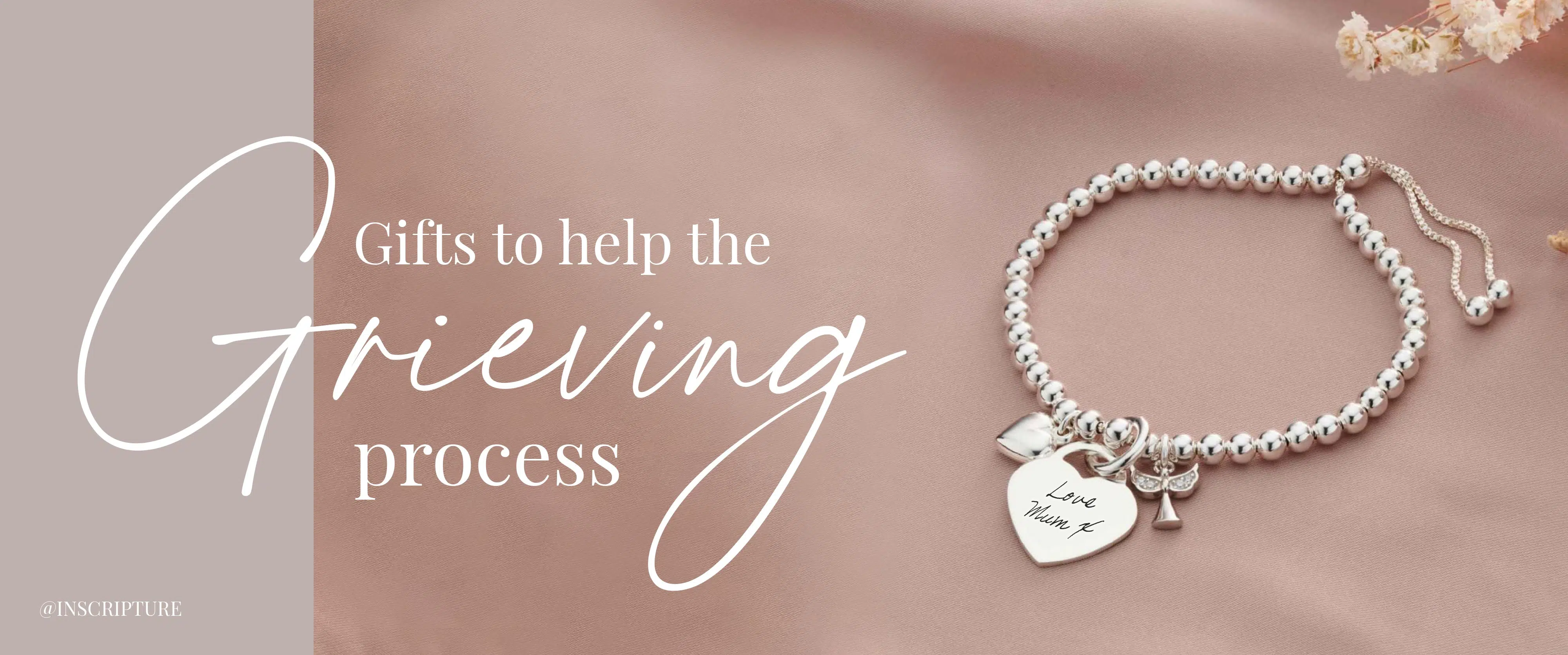
6. Handwriting jewellery
Someone’s handwriting is as recognisable as their voice, and seeing it can bring a person straight back, which is why handwriting jewellery is one of our most popular gifts for people who are grieving. We engrave real handwriting from a card, letter or note exactly as it was written, so the loops and slants they know so well can be worn every day.

7. Photo jewellery
If there’s a photo they keep coming back to, photo jewellery lets them carry it with them instead of leaving it on a phone or in a frame. We engrave the photo onto the piece, and a family photo or a favourite snapshot from a good day both work well.

8. Fingerprint jewellery
Nobody else has the same fingerprint, so fingerprint jewellery is about as personal as a gift can get. The print is engraved just as it was taken onto a necklace, bracelet or charm, and whoever wears it can trace the same lines their loved one left behind.

9. Ashes jewellery
For families who have chosen cremation, ashes jewellery lets them keep a small amount of their loved one’s ashes with them wherever they go. With self-fill ashes jewellery they fill the piece themselves at home using the funnel kit included, in their own time, and with ashes into jewellery our team sets the ashes into resin for them and sends the finished piece back.
10. A personalised photo frame
A personalised photo frame gives them somewhere to keep a favourite photo at home, and it can be engraved with handwriting so the person they miss is there in two ways. It suits someone who would like a keepsake for the house as well as one to wear, and it can stand on a shelf or hang on the wall.
11. A trinket box
A personalised trinket box can be engraved on the lid with handwriting, a fingerprint, a paw print or an illustration, so it tells part of their story on the outside while holding other keepsakes inside. It gives them somewhere to keep the little things that remind them of the person they miss.
-

Actual Handwriting Keyring
£49.00 -

Silver Handwriting Photo Frame
£59.00 -
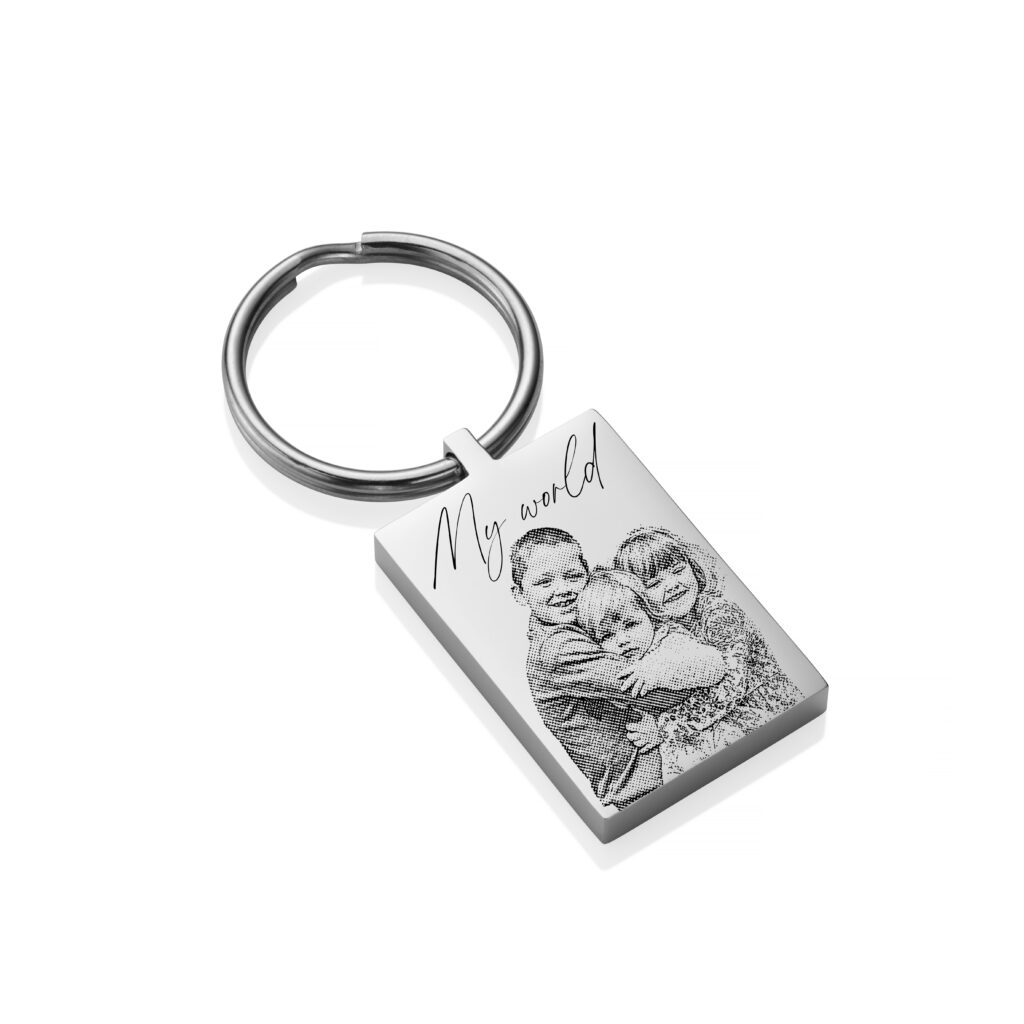
Photo Keyring
£49.00 -
Rose Gold Fingerprint Keyring
Original price was: £49.00.£40.00Current price is: £40.00. -

Round Silver Handwriting Trinket Box
£55.00


Words, Books and Journals
Not every gift needs to be bought, and sometimes a few kind words from someone who understands, or a book that puts a name to what they’re feeling, helps most when everything else is hard to put into words.
12. A handwritten letter.
Once the cards and messages slow down, a letter in your own handwriting is something they can keep and read whenever they need it. Telling them a favourite memory of the person they’ve lost or a story they may not have heard, is often what they’ll hold onto most, and it doesn’t have to be lengthy or perfectly written.
13. A grief book or journal.
When someone feels completely alone in what they’re going through, reading about other people’s grief can help, and Megan Devine’s It’s OK That You’re Not OK is one that’s often recommended. Meanwhile, a grief journal gives them somewhere to put their thoughts on the days they don’t feel like talking, and a plain one with no pressure to fill it in is usually the kindest choice.
Living Tributes and Donations
Some people find comfort in knowing that something good can come from their loss, and a living tribute or a donation in the person’s name can give them that, since it carries their memory forward in a way that keeps on giving.
14. A memorial tree or plant
Watching something grow can be a special kind of comfort when everything else feels like it has stopped, and a memorial tree or hardy plant gives them somewhere to feel close to the person they miss. A tree in a pot can move with them if they ever move house, and a hardy houseplant in a container that suits their personality is an easy way to start if they don’t have a garden. Our guide to planting a memorial tree has more ideas on choosing one if you need it.
15. A donation in their name
Giving to a charity the person supported or one that meant something to the family, is a way of honouring them that also helps others. It’s best to let the family know you’ve made it with a short note, and to check whether they’ve asked for donations to go to a particular cause first.
Gift Ideas by Loss
Grief looks different depending on who someone has lost, and the gift that suits a parent’s loss won’t always suit a friend’s or a pet’s, so here are a few ideas for the most common situations.
- For someone who has lost a parent: When someone loses a parent, it can feel as though a part of their history has gone with them, so anything that holds onto something familiar often means the most. A piece of handwriting jewellery made from a card, a shopping list or a note in their parent’s writing is a personal way to keep their voice close, and a framed photo of them together is a lovely addition for the house.
- For someone who has lost a partner: After losing a husband, wife or partner, the silence at home can be the hardest part, so gifts that bring them comfort or keep their partner close often work best. A necklace or ring that holds a little of their ashes, or a piece engraved with a love note in their handwriting, lets them carry the person they shared their life with.
- For someone who has lost a child: The loss of a child is a grief that’s hard to find words for, and the kindest gift is often something that keeps their name and memory close and treats the loss with the weight it deserves. A piece engraved with their hand and foot prints, their drawing or their handwriting can be a precious keepsake, and sending a small gift on their birthday shows you haven’t forgotten them.
- For someone who has lost a grandparent: A grandparent’s handwriting or the way they signed a birthday card is often the thing a grandchild remembers most, so handwriting jewellery or a fingerprint piece can be a lovely way to keep them close. If the grandparent was loved by the whole family, a matching piece for each of them can mean a lot too.
- For someone who has lost a friend or sibling: These losses can be overlooked because they sit outside the usual circle of who is expected to be grieving, so a gift that acknowledges how much the person meant can help them feel seen. A favourite photo of the two of them engraved onto photo jewellery, or a handwritten letter sharing a memory you have of them, shows you understand what they’ve lost.
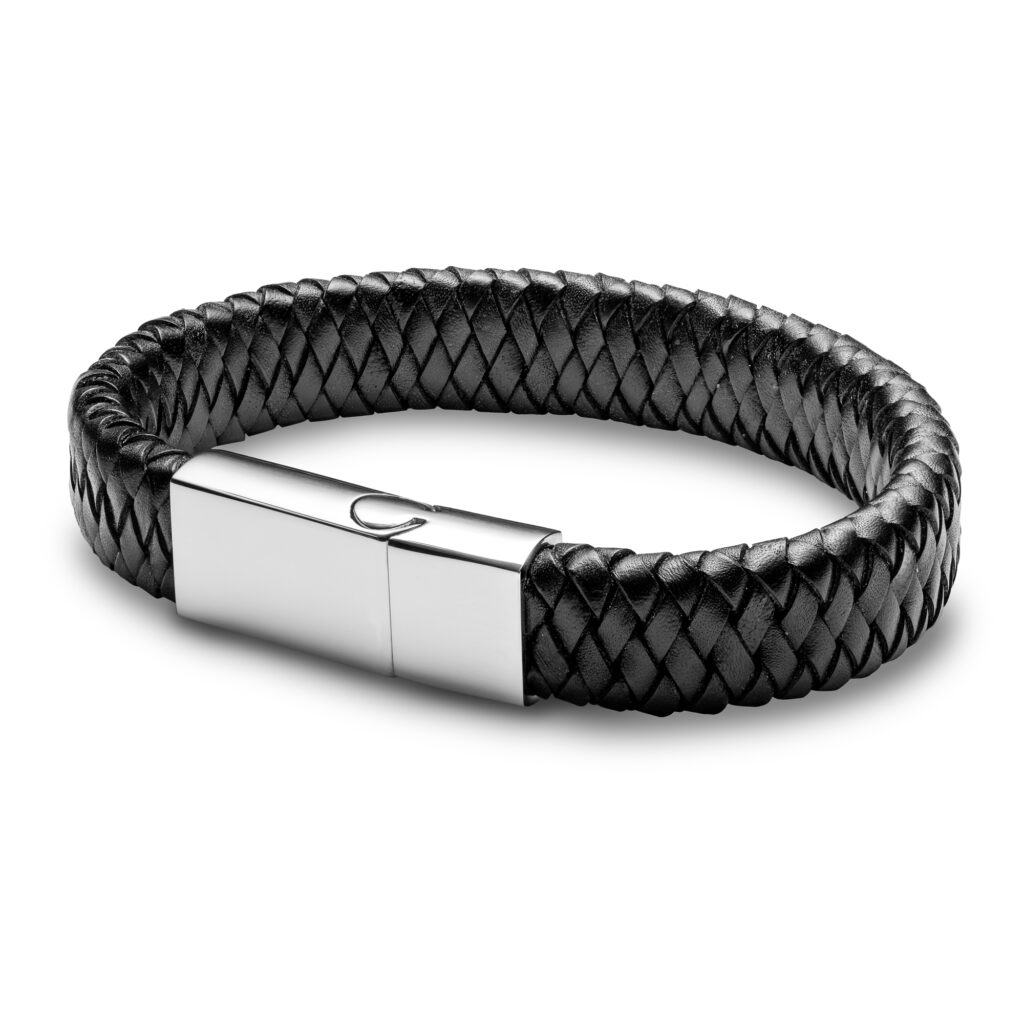
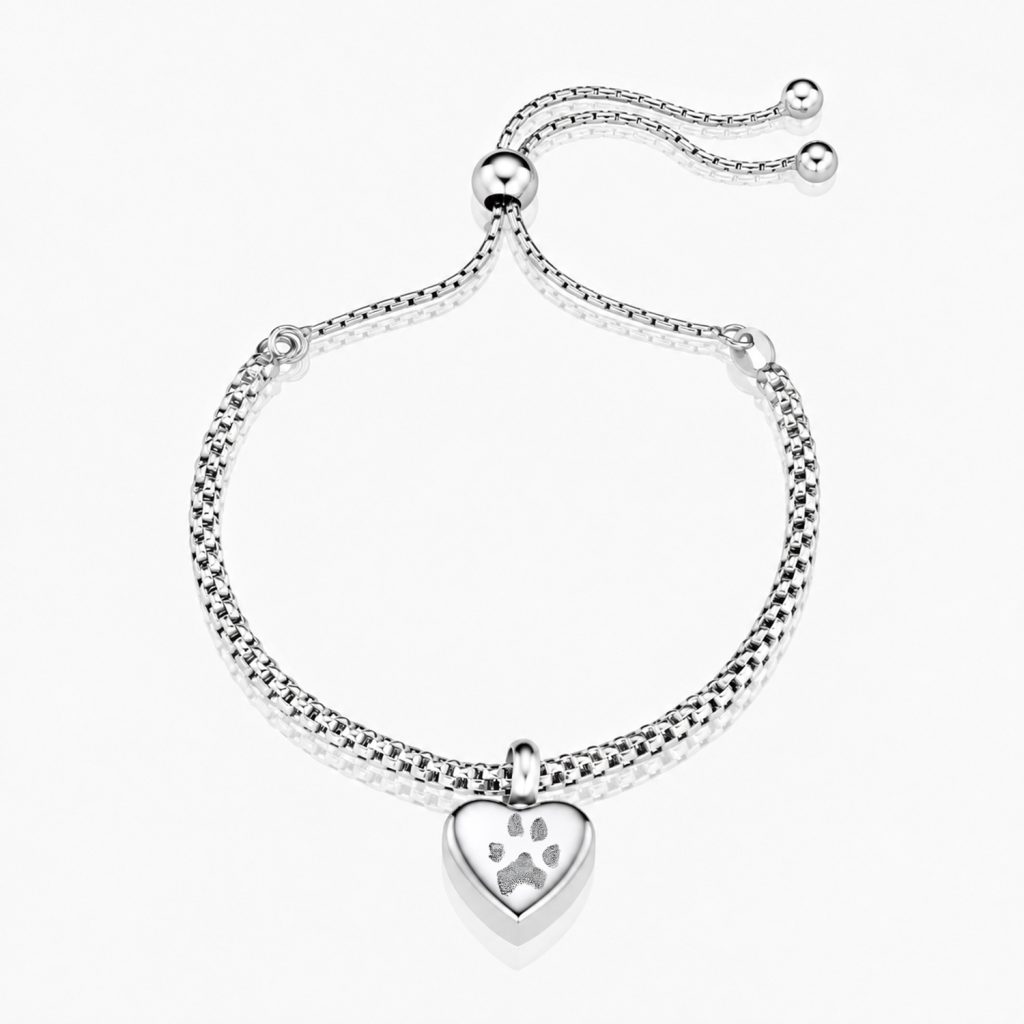
- For someone who has lost a pet: A pet’s death is a real loss, and the kindest thing you can do is treat it that way. Paw print jewellery engraved with their pet’s paw or nose print is a personal reminder of the bond they shared, and pet ashes jewellery lets them keep a little of their companion close. Our guide to pet memorial jewellery options has more ideas if you’d like to see everything on offer.
-
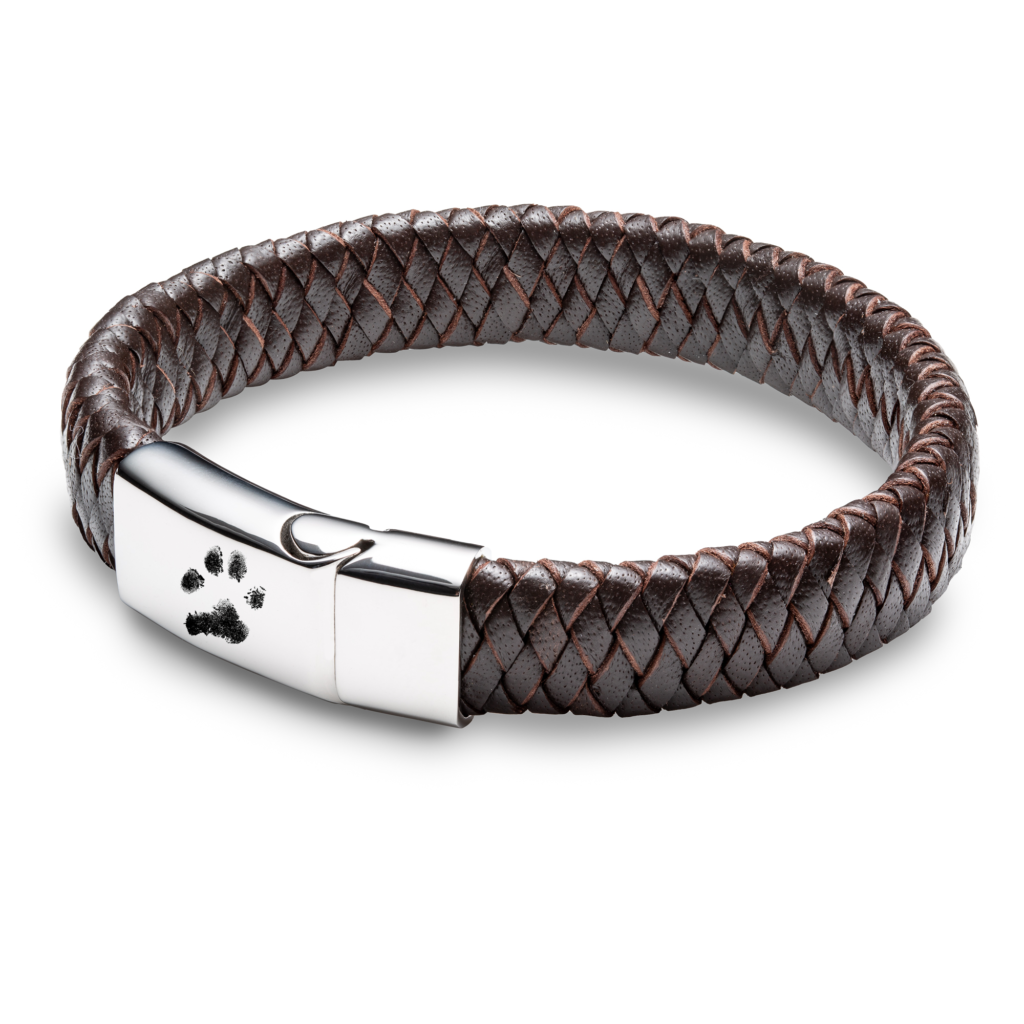
Mens Brown Leather Paw Print Ashes Bracelet
£69.00 -

Silver Teardrop Paw Print Necklace
£59.00 -
Mens Black Leather Paw Print Ashes Bracelet
£69.00 -
Angel Ashes Keyring
Original price was: £39.00.£29.00Current price is: £29.00. -
Silver Paw Print Ashes Bracelet
£119.00


Memorial Jewellery as a Gift
Memorial jewellery can be a meaningful gift for someone who is grieving, because it gives them a way to keep the person they miss close every day, and buying it for someone else is easier than many people expect.
If you have a card, a note or a photo that means something to them, you can choose a piece, upload it on the product page while you order or send it afterwards, and we won’t start making your piece until we’ve received it. Every order arrives in a gift box as standard, so it’s ready to give.
If you’re not sure what they’d like, or you don’t have anything to engrave, a gift voucher lets them choose the piece that feels right for them in their own time. Ashes jewellery needs a little more care, since the ashes have to come from the family, so it’s usually best given by someone close to them. A self-fill design comes with a funnel kit so they can fill it themselves whenever they’re ready, and our team is always happy to talk you through the options.
You can find out more about how it works in our guide on how to order memorial jewellery and read our guide to the best memorial jewellery in the UK if you’d like help choosing between the different types.
Conclusion: Gift Ideas for Someone Grieving
Whatever you choose, the gift matters less than the fact that you thought of them, so leaving a meal on the doorstep or giving a keepsake that holds something of the person they miss tells them they aren’t going through this alone. If it takes you a while to find the right moment, that’s okay too, since grief doesn’t follow a timetable and a kind gesture is welcome at any point.
If you’d like some help choosing, our team is always happy to talk through the options with you, and you can browse our memorial jewellery collection whenever you’re ready. We have these conversations every day, and we’ll take the time to help you find something that feels right for them.


The most appropriate gifts feel personal and are easy for them to accept. In the first few weeks, meals, groceries or help with everyday jobs often mean the most, and later on a keepsake that reflects the person they’ve lost can be very comforting. Choose something that doesn’t add decisions or clutter, and think about the family’s wishes and beliefs before you send anything.
Send a card or a small gift as soon as you hear the news, ideally within a couple of weeks, so they know you’re thinking of them. Help with meals and everyday jobs is most welcome straight away. More personal keepsakes can wait until the first few weeks have passed, and it’s never too late, so you can still give a gift months or even years later.
Yes, a kind gesture can mean a lot even if you don’t know them well. Something like a card with a short message, a meal or a plant is usually the best choice, since it shows you care without being too personal. Keep any note brief and kind, and avoid anything that needs a reply or leaves them feeling they owe you something.
Treat the loss as seriously as they do, and avoid anything that suggests it was just a pet. Gifts like a framed photo, a paw print keepsake or a plant in their pet’s memory can mean a lot, and a handwritten note sharing a memory of their pet is often treasured. Paw print or nose print jewellery is a personal way to keep their companion close.
Yes, memorial jewellery is a thoughtful sympathy gift for someone close to you, since it gives them a way to keep the person they miss with them every day. It works best as a later gift once the first few weeks have passed, and it should reflect something personal to them, like handwriting or a photo. If you’re unsure, a gift voucher lets them choose.