

When you are choosing a piece of jewellery, the metal can be one of the easiest things to skip past. You might already love the look of the design or know exactly what engraving you want, but then you notice there are different metal options and suddenly you are trying to work out which one makes the most sense for you. That is often where the sterling silver vs stainless steel question comes in, especially because the two can look quite similar at first glance.
But despite how they might look at first, sterling silver and stainless steel jewellery do not wear in the same way. Sterling silver is a precious metal, so it is often chosen when you want the material itself to feel part of the keepsake, while stainless steel is a strong, practical metal that can be a good fit for jewellery made to handle regular wear with less maintenance.
In this guide, we’ll talk through how both metals compare and where each one works best, depending on the type of jewellery you’re looking for and how you’d like to wear it.
Sterling Silver vs Stainless Steel at a Glance
- Sterling silver is the precious metal made from 92.5% pure silver which is why you’ll often see it labelled 925 sterling silver.
- Stainless steel is built to handle daily life. It’s strong, hard-wearing and generally low-maintenance.
- Silver can tarnish over time, but that’s nothing a bit of polish can’t fix.
- Steel won’t tarnish the same way, though it can still lose some shine over time, so it’s worth keeping it away from chlorine.
- There isn’t really a winner between the two. It comes down to the piece that feels right and how you’d like to wear it.
What Is Sterling Silver Jewellery?
Sterling silver jewellery is made from 92.5% pure silver with the rest usually made from another metal such as copper. You need that extra metal because pure silver on its own is too soft for most jewellery, especially pieces that are going to be worn, engraved, held, polished and kept for years.
Adding a small amount of copper means the silver keeps its familiar bright finish but becomes strong enough for jewellery that will be worn and handled over the years. For precious keepsakes, like memorial jewellery or jewellery you want to last, this balance matters, because the piece needs to feel precious when it arrives but still make sense for real life.
What Does 925 Sterling Silver Mean?
925 sterling silver means the metal is made from 92.5% pure silver. The number 925 refers to the amount of silver in the piece, and you may see it stamped onto jewellery as a small hallmark or quality mark. The remaining 7.5% is usually copper or another hard metal that is added to make the silver stronger, because pure silver would be too soft for most jewellery designs.
Why Choose Sterling Silver Jewellery?
Sterling silver tends to be the choice when the metal itself matters to you, not just the design sitting on top of it. It’s a genuine precious metal, so there’s a certain weight and quality to it that stainless steel can’t quite replicate, and that can make a real difference when the piece means something. Here’s where it tends to shine:
- It’s a true precious metal, so it feels like a proper piece of jewellery rather than an accessory.
- The finish has a bright and beautiful quality that engraving sits well against, so words and designs stay easy to read.
- If it tarnishes over time, a polish can bring the shine back allowing the piece to be cared for and kept looking its best for years.
- For memorial jewellery and other keepsakes, the material itself often feels like it should match how much the piece means.
- It’s generally kind to sensitive skin, though the small amount of alloy mixed in means it isn’t guaranteed nickel-free the way some other metals are.
Recommended products
-

Silver Photo Heart Charm
£49.00 -
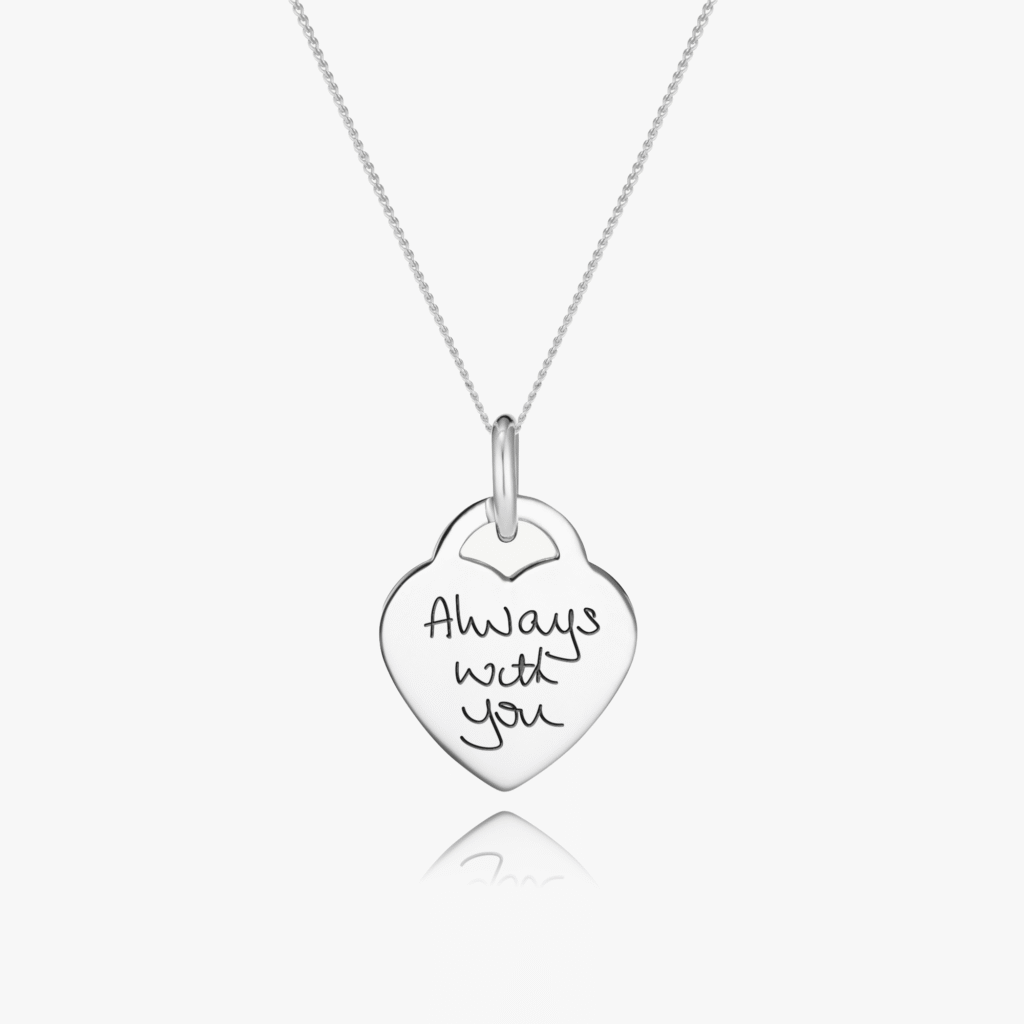
Silver Heart Handwriting Necklace
Price range: £70.00 through £99.00 -
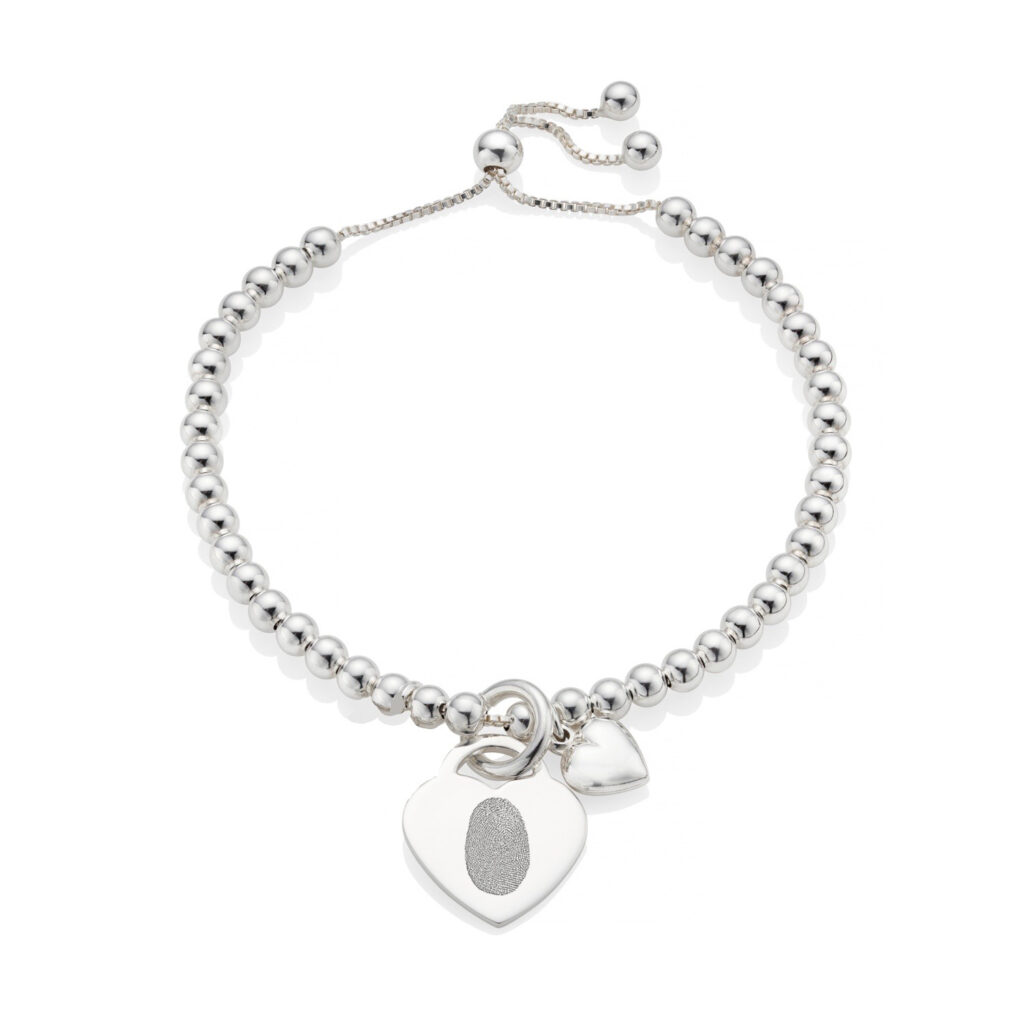
Sterling Silver Duo Fingerprint Bracelet
£135.00 -
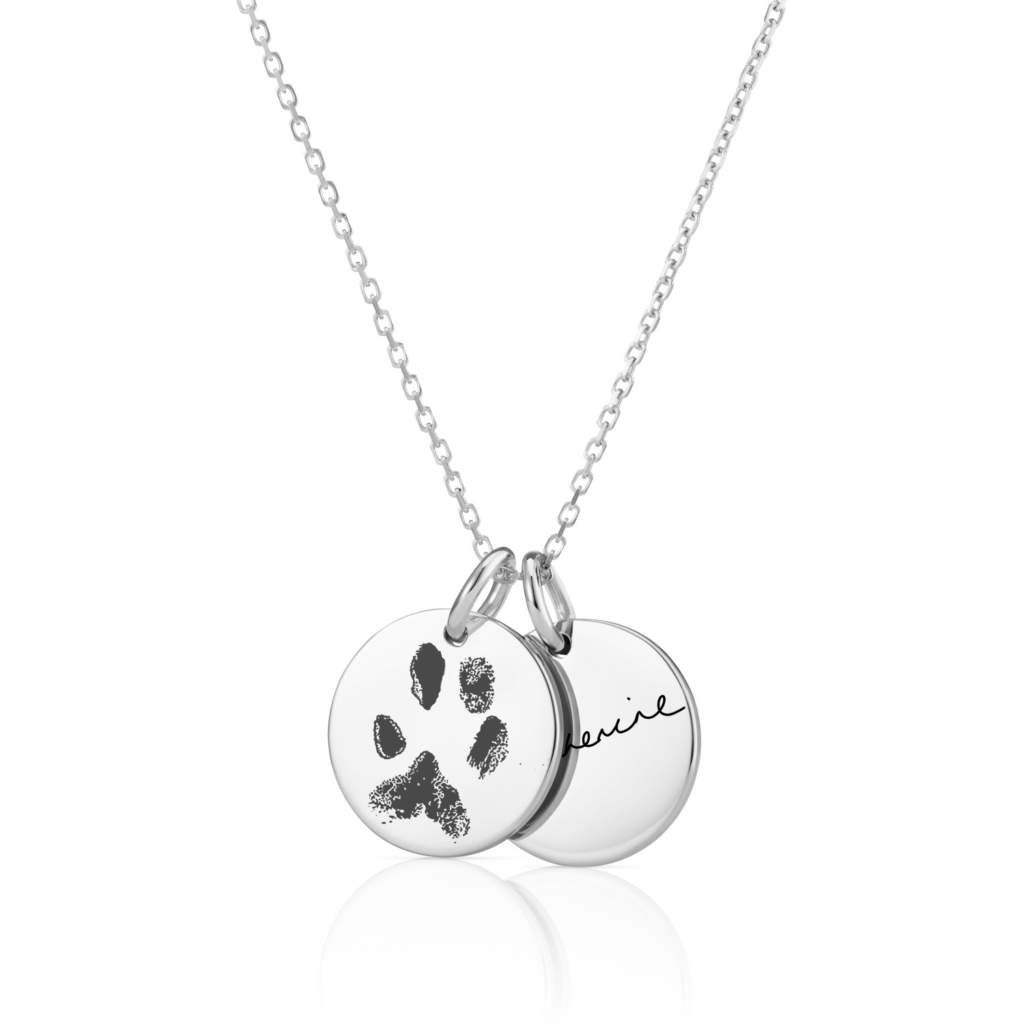
Duo Disc Paw Print Necklace
Price range: £80.00 through £105.00
What Are the Downsides of Sterling Silver?
Sterling silver does need a little more looking after than stainless steel, mainly because it’s a softer, more delicate metal. It’s still a lovely choice for plenty of pieces, but here’s what’s worth knowing before you decide:
- It can tarnish over time, especially with exposure to moisture, perfume or chlorine, so it benefits from a clean or polish every so often.
- Being a softer metal, it can pick up scratches or small dents more easily than stainless steel, particularly if it’s something you’re wearing every day.
- It usually costs a bit more than stainless steel, since it’s a precious metal rather than an alloy built purely for durability.
What Is Stainless Steel Jewellery?
Stainless steel jewellery is made from a mix of iron, carbon and chromium, rather than a precious metal like silver or gold. The chromium is what helps it resist rust and tarnish, and that combination of metals is where its strength comes from. It isn’t chosen for being precious in the way sterling silver is, but for standing up well to daily life, so it suits jewellery you want to wear without giving it much thought.
Why Choose Stainless Steel Jewellery?
If you want a piece that can get on with everyday life, stainless steel is a strong option. It’s tough, copes well with knocks and regular wear, and doesn’t ask a lot of you in return. Here’s where it really comes into its own:
- It holds up well against scratches and everyday knocks, so the finish stays looking good even with daily wear.
- Upkeep is minimal too, since it doesn’t tarnish the way precious metals do.
- Price-wise, it tends to work out more affordable than sterling silver, which suits pieces you’ll wear all the time.
- If you’ve got sensitive skin, surgical-grade stainless steel is often one of the safer bets, since it’s one of the more skin-friendly metals out there.
Recommended products



What Are the Downsides of Stainless Steel?
The same strength that makes stainless steel so durable is also what limits it in other ways. Because it’s such a hard metal, some things that are simple with sterling silver take more work, or aren’t possible at all, with stainless steel.
- It’s harder to resize or repair, so changes further down the line aren’t always straightforward.
- It can be less suited to very fine or delicate detailing, since the hardness that makes it durable also makes it harder to work with closely.
- It’s best kept away from chlorine so you’ll need to take it off before swimming or going in a hot tub.
Sterling Silver vs Stainless Steel Jewellery Comparison

Is Sterling Silver Better Than Stainless Steel?
This is usually the real question behind the search, so it deserves an honest answer. Neither metal is better than the other on its own since they’re built for different things, and the right one comes down to the piece you’re choosing and how you plan to wear it.
When Sterling Silver Is the Better Choice
Sterling silver works best when a piece is meant to feel considered, personal or precious in its own right. Because it takes engraving and fine detail so well, it’s often the better fit for jewellery that’s been made specifically for you.
- Personalised jewellery, where the design and the metal both need to feel considered
- Detailed engraving, since the finish helps fine text and designs stay clear
- Delicate designs, where a softer metal is easier to shape with precision
- Precious metal pieces, for anyone who wants the material itself to hold meaning
- Handwriting jewellery, fingerprint jewellery and photo jewellery, where the detail needs to come through clearly
When Stainless Steel Is the Better Choice
Stainless steel works best when a piece needs to keep going, day in and day out, with little upkeep. Because it’s built to withstand knocks and handling, it suits jewellery that’s meant to be part of daily life rather than kept for occasional wear.
- Harder-wearing designs, for pieces that need to cope with daily knocks
- Self-fill ashes jewellery, since it’s easy to fill and handle at home
- Keyrings, which get carried around and used constantly
- Everyday pieces that you want to put on and not think about
- Lower-maintenance jewellery, for anyone who’d rather skip the polishing
Does Sterling Silver or Stainless Steel Last Longer?
Both metals are built to last, just in slightly different ways. Sterling silver can easily last a lifetime with the right care, and a lot of people find that the occasional polish becomes part of looking after a piece that means something. Meanwhile, stainless steel needs less looking after day to day, since it copes well with knocks and regular wear without much changing in how it looks.
So it isn’t really a question of one metal outlasting the other. It’s more about whether you’d rather a piece that asks a little of you in return, or one that’s designed to need almost nothing at all.
Is Sterling Silver or Stainless Steel Better For Sensitive Skin?
Both metals tend to sit well with sensitive skin, though nothing can be guaranteed to suit everyone. If you go for 925 sterling silver, the high silver content usually means it’s well tolerated. Stainless steel is a solid option too, especially the surgical-grade kind, but if you already know you react to nickel, it’s worth double-checking the exact grade before you buy, as this can vary from piece to piece.
Which Metal Is Best For Memorial Jewellery?
Memorial jewellery needs to do a few things at once: look and feel right, hold up to years of wear and carry the meaning behind it without question. Sterling silver can work beautifully here, especially for pieces where you want something precious to match the memories it holds, and where detail really matters, like handwriting jewellery, fingerprint jewellery or photo jewellery.
Stainless steel can be just as fitting in its own way, particularly for self-fill ashes jewellery, keyrings, or pieces that need to feel sturdy and low maintenance day to day. Choosing the metal that feels right for you is what you deserve, which is why our Duo Disc Necklaces are available in both silver and steel, so you can pick whichever suits how you want to carry your memories.
How To Care For Sterling Silver and Stainless Steel Jewellery
A little care goes a long way with both metals, though what they each need looks slightly different. Here’s how to keep your pieces looking their best for years to come.
Caring for Sterling Silver Jewellery
- Store it separately from other jewellery, ideally in a soft pouch or lined box, so it doesn’t pick up scratches from harder pieces
- Keep it away from perfume, lotion and chlorine, since these can speed up tarnishing
- Give it a careful polish every so often with a proper silver cloth to bring the shine back
- Take it off before swimming, showering or exercising to help it stay looking its best for longer
- Avoid using strong chemicals or anything abrasive that could damage the finish
You can learn more about how to clean silver jewellery in our seperate guide if you’d like more detail.
Caring for Stainless Steel Jewellery
- Wipe it over with a soft, dry cloth after wearing to keep it looking fresh
- Keep it away from chlorine and harsh chemicals, since these can dull the finish over time
- Clean it occasionally with warm, soapy water and a soft cloth if it starts to lose its shine
- Store it away from harder surfaces or rough materials to help prevent scratches
- Take it off before swimming or intense exercise if you’d like it to stay looking newer for longer
Conclusion: Sterling Silver vs Stainless Steel Jewellery
Sterling silver is the better choice if you want a precious metal, finer detail and a piece that feels like proper, considered jewellery rather than your everyday accessory while stainless steel is a great choice if durability, affordability and low-maintenance wear matter more to you. Neither metal wins outright, because it really comes down to the piece itself and how you want to wear it day to day. Once you know that, choosing between sterling silver and stainless steel becomes a lot easier.
Whatever you choose, we’ve got you covered. Browse our sterling silver and stainless steel pieces across our memorial and personalised jewellery collections and find the one that feels right for you.
Best selling products


FAQs
Yes, sterling silver can tarnish over time, especially with exposure to air, moisture, perfume or lotion. It’s a completely normal part of owning a precious metal rather than a sign anything has gone wrong. Thankfully, most forms of tarnish are easy to fix. With some considerate wear and a silver polish cloth, you can usually bring the shine back and keep it looking new for years to come.
Not in the way sterling silver does, which is part of why it’s often seen as a low-maintenance metal. That said, it isn’t completely carefree. Stainless steel can still lose some of its shine over time, particularly with exposure to chlorine or strong chemicals, and it can pick up scratches with regular wear.
It’s best to take both off before showering, if you can. Soaps, shampoos and other products can speed up tarnishing on sterling silver, while stainless steel copes better but can still lose some shine over time with regular exposure. Neither metal will be ruined by the odd shower, but if you want your jewellery to stay looking its best for longer, it’s worth getting into the habit of removing it beforehand.
Sterling silver is a precious metal made from 92.5% pure silver, so the material itself carries real value, much like gold does. Stainless steel is an alloy made from iron, carbon and chromium, chosen for strength and affordability rather than precious metal status.
Not easily. Stainless steel is a very hard metal, which is exactly what makes it so durable, but that same hardness makes it difficult to resize or repair once a piece has been made. Sterling silver is far more forgiving in this respect, since it’s a softer metal that jewellers can adjust more easily. If resizing down the line matters to you, it’s worth keeping in mind when choosing between the two.